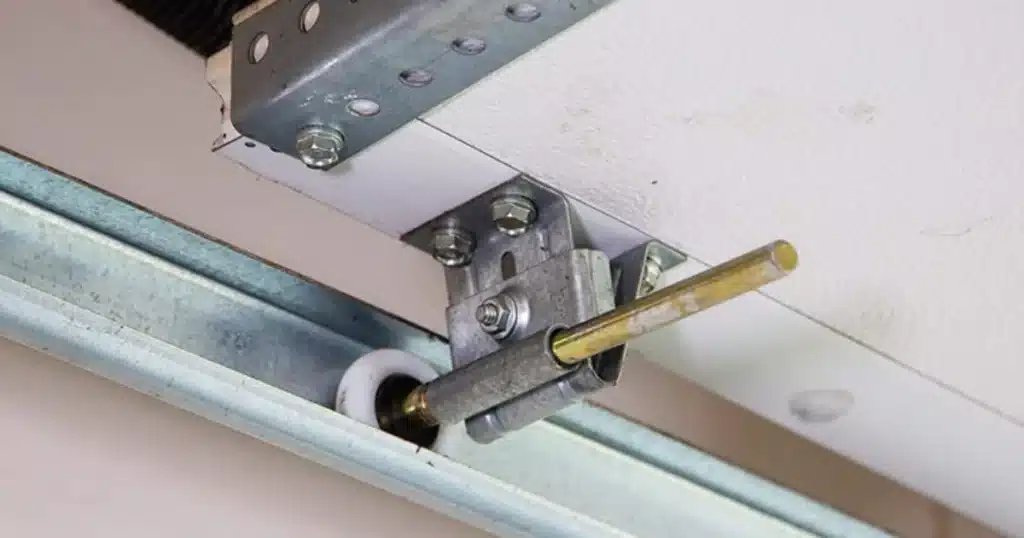
Garage door rollers play a major role in how smoothly a garage door moves along the track each time it opens or closes. Because these small wheels bear the door’s weight during every cycle, understanding when to replace garage door rollers helps homeowners prevent unnecessary strain on the entire system.
Over time, worn rollers can affect door movement, create noise, and lead to mechanical issues that may eventually require garage door repair. Knowing how often rollers typically need replacement allows homeowners to identify early signs of wear and maintain steady door performance before larger problems develop.
How Garage Door Rollers Support Smooth Door Operation
Garage door rollers help the garage door move smoothly along the track during every opening and closing cycle.
Key ways garage door rollers support door movement include:
- Guided travel along the overhead garage door track keeps the door properly aligned as it moves up and down.
- Balanced weight distribution during movement helps the door travel steadily through the garage door system.
- Reduced friction along the track allows the door to open and close with smoother motion.
- Lower strain on surrounding hardware helps maintain consistent door movement over time.
To recognize the warning signs of roller wear, read our guide on Worn Garage Door Rollers: Signs You Need Replacement, which explains the symptoms that appear before roller failure affects door movement.
Factors That Affect How Often Garage Door Rollers Need Replacement
Frequency of Garage Door Use
Daily operation directly influences how quickly garage door rollers wear because every opening cycle adds movement, friction, and pressure along the overhead garage door track.
Common usage patterns that accelerate roller wear include:
- Frequent vehicle access throughout the day increases the number of movement cycles the rollers must handle.
- Multiple household drivers using the garage entrance place additional strain on the rollers over time.
- High-use areas, such as homes with attached workshops or storage spaces, cause the garage door to operate far more often than standard residential doors.
- Repeated short opening cycles still place pressure on the rollers even when the door is only partially opened.
Frequent daily cycles shorten the life of your rollers and often lead homeowners to consider garage door roller replacement earlier than expected.
Roller Material and Build Quality
Different roller materials influence durability because design quality, bearing structure, and manufacturing standards affect how long rollers can perform inside the garage door system.
Material characteristics that affect roller lifespan include:
- Plastic rollers used in basic installations often show visible wear sooner than stronger alternatives.
- Steel rollers with ball bearings provide stronger support for heavier garage door systems.
- Nylon garage door rollers designed for quiet operation reduce friction while maintaining durability.
- Premium roller designs, such as stainless steel or specialty rollers, perform better in high-use areas or corrosive environments.
Roller material and build quality strongly influence how long garage door rollers perform within the garage door system and how well they maintain smooth operation over time.
Track Condition and Door Alignment
Rollers depend on a properly aligned overhead garage door track because even small shifts in track position can affect how smoothly they travel.
Alignment issues that contribute to roller deterioration include:
- Bent sections of track create resistance as rollers pass through curved areas.
- Loose mounting brackets along the track allow rollers to shift during movement.
- Improper spacing between the rollers and the track edges causes friction within the rail.
- Misaligned track sections after impact or structural movement force rollers to travel unevenly.
Maintaining proper track alignment and hardware stability often becomes easier through routine garage door maintenance, which helps prevent unnecessary roller strain.
Environmental Debris and Moisture Exposure
Outdoor exposure affects roller lifespan because dirt, moisture, and environmental buildup can interfere with roller movement inside the track.
Environmental factors that contribute to roller wear include:
- Dust and debris accumulation along the overhead garage door track that limits smooth roller operation.
- Moisture exposure during seasonal weather changes affects metal hardware and bearings.
- Temperature fluctuations in colder climates cause hardware to expand and contract.
- Corrosive environments or high humidity levels accelerate the deterioration of steel components.
The International Door Association explains that temperature changes, moisture, and debris buildup can affect garage door parts by causing metal contraction, rust, and added friction during operation.
Lack of Routine System Inspection
Limited inspection allows early roller damage to develop unnoticed because garage door components operate quietly until wear becomes severe.
Maintenance habits that contribute to unnoticed roller deterioration include:
- Skipping periodic visual inspections of door hardware allows small issues to progress.
- Ignoring early warning sounds, such as grinding or rattling, that signal roller wear.
- Operating the door despite uneven movement increases stress on the rollers.
- Delayed service scheduling when hardware shows visible damage, leading to larger mechanical problems.
According to Clopay, routine garage door inspections help catch worn rollers and minor issues early, helping prevent costly repairs while extending the life of the garage door system.
Typical Replacement Timeline for Garage Door Rollers
Roller lifespan varies depending on material quality, bearing design, and the frequency of garage door operation.
Roller Type | Typical Lifespan | Performance Characteristics |
Plastic rollers | 2–5 years | Basic rollers that wear faster under frequent garage door use. |
Steel rollers with ball bearings | 5–7 years | Stronger rollers designed for heavier garage door systems and standard applications. |
Nylon rollers | 10–20 years | Durable rollers that support quiet operation and smoother door movement. |
To learn how roller material, usage, and door conditions influence overall durability, read our guide on What Is the Life Expectancy of Garage Door Rollers?, which explains how different roller types perform over time.
Early Warning Signs That Garage Door Rollers May Need Attention
Early roller wear often begins with small performance changes that appear during normal garage door operation.
Watch for these early warning signs:
- Slight rattling or squeaking sounds develop as rollers travel through the overhead garage door track.
- Minor vibration along the door panels during opening or closing cycles.
- Slower or less consistent door travel compared to normal operation.
- Small gaps between rollers and track edges appear during movement.
To identify the conditions that lead to these warning signs, read our guide on What Causes Garage Door Rollers to Wear Out?, which explains how repeated movement and hardware stress contribute to roller deterioration.
When Changing Garage Door Rollers Becomes Necessary
Roller replacement becomes necessary once wear begins affecting the door’s ability to move properly along the track.
Conditions that often require roller replacement include:
- Rollers that stop rotating and begin sliding along the track.
- Cracked, broken, or flattened roller wheels.
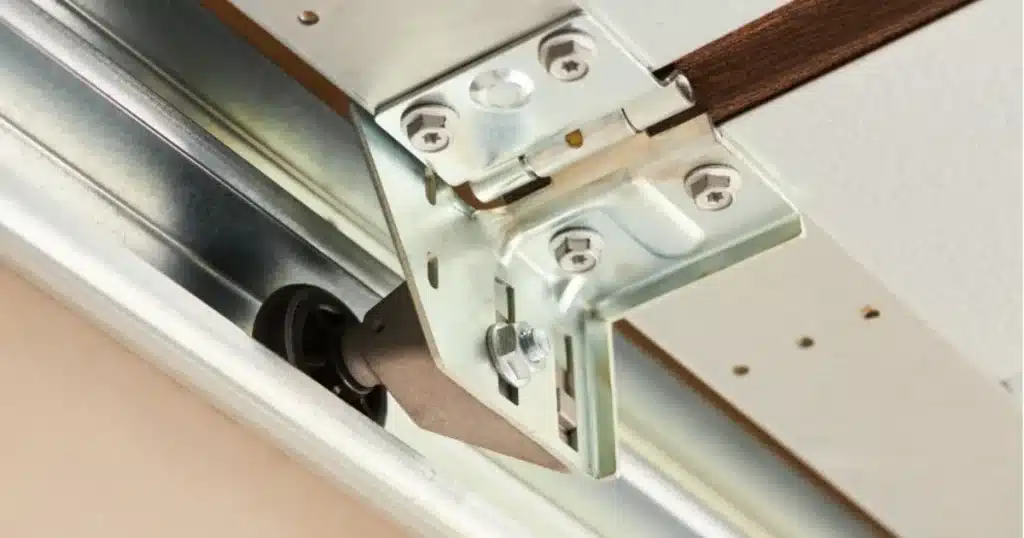
- Rollers pulling away from door hinges or brackets.
- Door movement becoming difficult even during normal operation.
Severe roller damage that affects door movement may sometimes lead homeowners to consider garage door replacement as a longer-term solution.
What Homeowners Can Check Before Scheduling Garage Door Rollers Replacement
Simple observations during daily garage door use can help homeowners determine whether rollers may need professional evaluation.
Homeowners can check for the following conditions:
- Rollers that are properly seated in the overhead garage door track.
- Smooth door movement during manual opening cycles.
- Loose roller brackets around door hinges.
- Debris buildup inside the track may affect the movement of rollers.
Identifying these conditions early can help determine when garage door rollers replacement may be necessary.
Why Professional Inspection Helps Determine Roller Replacement Timing
A trained evaluation can reveal early roller wear and related hardware issues that may not be visible during normal garage door operation.
Inspection by a technician can identify:
- Hidden roller wear inside bearings or stems that may not appear during a quick visual check.
- Track alignment issues affecting roller movement along the overhead garage door track.
- Strain on related hardware, such as hinges and door springs, that results from deteriorating rollers.
- Early imbalance within the garage door system can shorten the lifespan of garage door rollers.
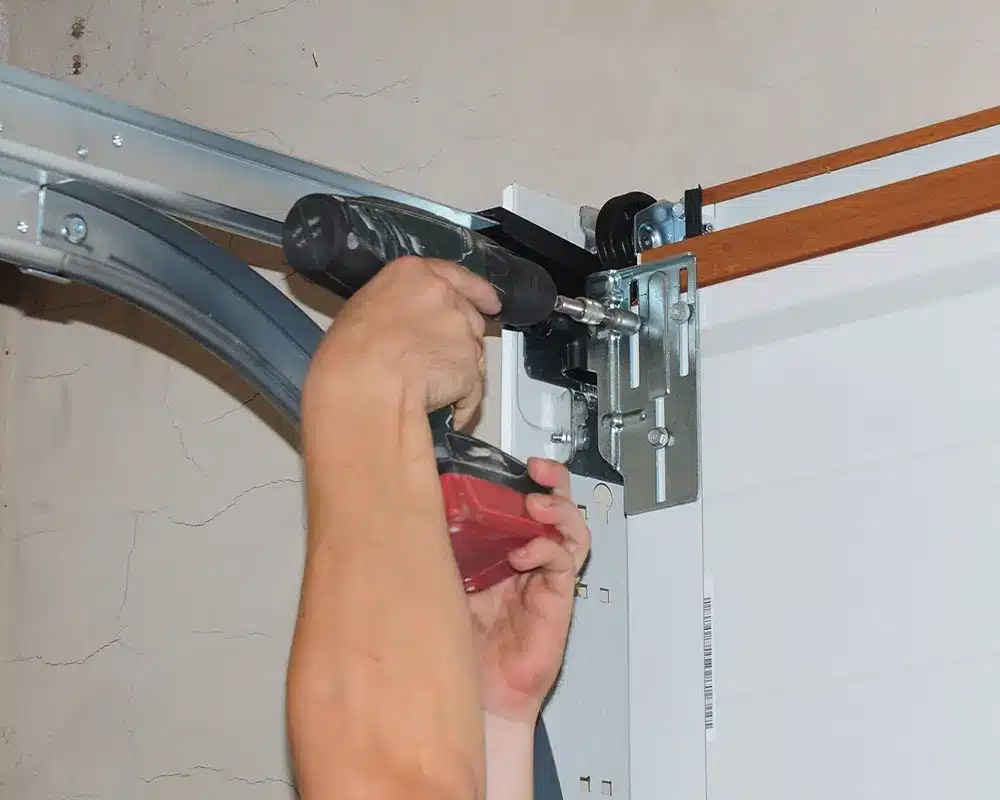
Inspection findings may also reveal opener-related strain, which is why technicians often evaluate the need for garage door opener repair when roller wear affects door operation.
Garage Door Roller Replacement Timing for Homes in Castleton, IN
Garage door rollers may appear small, but they play a major role in how smoothly a garage door moves along the track. Recognizing early signs of roller wear, unusual noises, or uneven movement helps homeowners determine when garage door rollers may need replacement before larger mechanical issues develop.
Affordable Garage Door Repairs of Castleton provides professional garage door service for homeowners who need help determining when to replace rollers. If your garage door is making unusual sounds or moving unevenly, contact us or give us a call today to schedule a professional inspection and restore smooth operation.