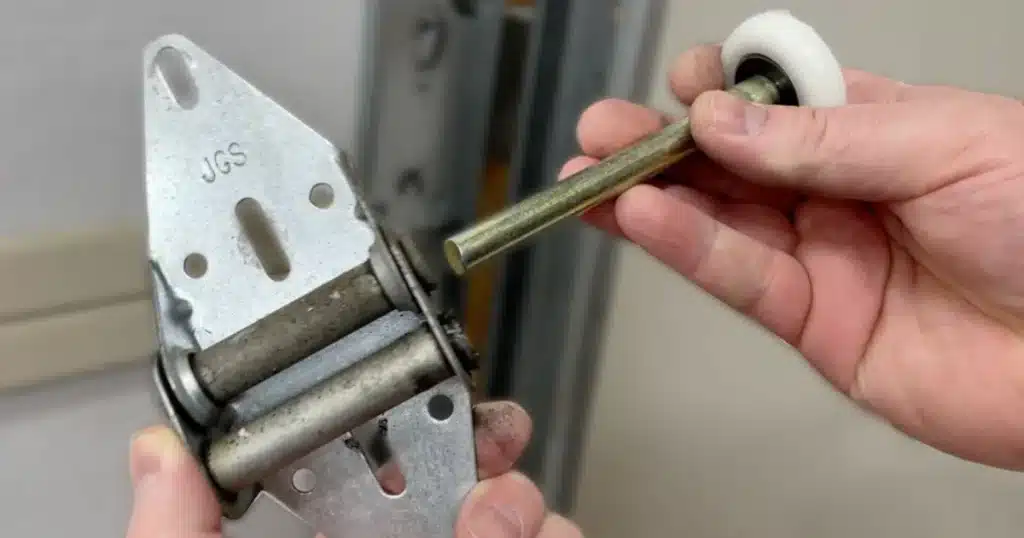
Garage door rollers do a significant amount of work every time a garage door opens or closes, guiding the door along the track while supporting its weight. Over time, several mechanical and environmental factors can gradually wear down these components, prompting homeowners to consider garage door repair.
Understanding the causes of roller deterioration helps homeowners recognize which conditions accelerate wear within a garage door system. By learning what affects garage door rollers, property owners can identify issues earlier and reduce the chances of further damage to other door components.
Why Do Garage Doors Stop Moving Smoothly Over Time?
A garage door that no longer moves smoothly often signals developing mechanical wear within the system, as repeated opening cycles, environmental exposure, and aging hardware place gradual strain on the moving parts that support daily operation.
Common conditions that disrupt normal door movement include:
- Rollers that lose their round shape over time due to wear.
- Dirt and debris that accumulate along the overhead garage door track.
- Internal ball bearings that weaken after years of use.
- Moisture and corrosion that affect metal components in humid garages.
- Increased friction between the door rollers and the track surface.
To understand how these mechanical stress factors gradually lead to roller deterioration in the garage door system, read our guide on Worn Garage Door Rollers: Signs You Need Replacement, which explains the common indicators homeowners notice before roller failure affects door movement.
How Worn Garage Door Rollers Affect Overall Door Performance
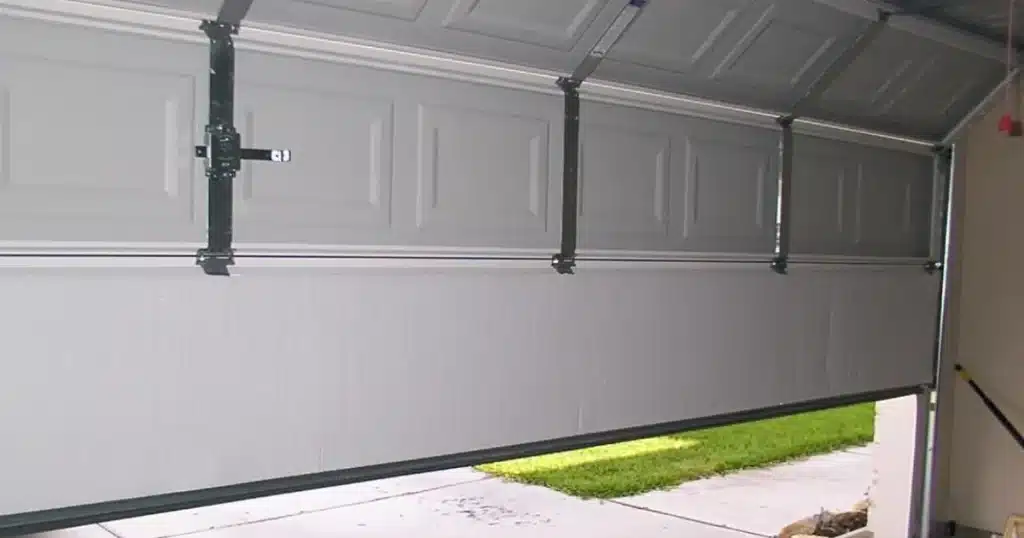
When garage door rollers wear down, the door may struggle to move smoothly along the overhead garage door track, placing extra strain on the garage door system.
Common ways worn rollers affect door performance include:
- Increased friction along the track reduces smooth operation and causes resistance during movement.
- Extra strain on the garage door opener as the system works harder to lift and lower the door.
- Uneven movement or jerky movement when the rollers no longer rotate properly.
- Unusual noises such as grinding or squeaking during operation.
- Higher risk of further damage to nearby components like hinges, tracks, and garage door springs.
Ongoing strain on the opener motor can signal deeper mechanical stress, and persistent lifting issues often indicate the need for garage door opener repair when the system begins to struggle during operation.
Common Causes of Garage Door Roller Wear
Normal Aging and Material Fatigue
Constant door movement gradually wears down internal roller components as materials experience repeated stress during the daily operation of an overhead garage door.
Wear patterns related to age often include:
- Gradual weakening of internal ball bearings after years of rotation.
- Small cracks that form on plastic rollers under repeated load.
- Surface flattening on older door rollers reduces smooth travel.
- Loss of structural strength in rollers exposed to constant motion.
- Decreased stability, increasing strain across the garage door system.
Progressive material fatigue eventually reduces the rollers’ ability to guide the door along the track efficiently, shortening the overall life of your rollers.
Heavy Daily Use of the Garage Door
Daily operation places repeated stress on garage door rollers, which can accelerate wear in homes where the garage functions as a primary entrance.
Usage-related stress may lead to:
- Faster breakdown of internal ball bearings due to repeated rotation.
- Greater pressure on the overhead garage door track during daily operation.
- Increased friction between the roller wheel and track surface.
- Higher likelihood of roller wear in garages used multiple times each day.
- Earlier need for garage door rollers repair in high-traffic homes.
Constant door movement increases strain on the garage door system and gradually shortens the rollers’ service life.
Dust, Dirt, and Debris Inside the Tracks
Contaminants inside the track create resistance that interferes with the normal movement of garage door rollers during each opening and closing cycle.
Debris buildup can affect roller performance in several ways:
- Dirt particles that increase friction along the overhead garage door track.
- Small debris that prevents the rollers from rotating smoothly.
- Track buildup that causes uneven movement while the door travels.
- Abrasive materials gradually damaging roller surfaces.
- Obstructions that lead to unusual noises during door operation.
Clopay explains that dirt, debris, and rust collecting inside garage door tracks can prevent the door from operating correctly and increase wear on moving parts if the tracks are not cleaned periodically.
Misaligned or Damaged Garage Door Tracks
Track alignment plays a major role in roller longevity because rollers rely on a straight path to guide the door safely along the overhead door frame.
Track-related conditions that accelerate roller wear include:
- Bent sections along the overhead garage door track.
- Loose mounting brackets, shifting track position.
- Track spacing that no longer matches the specific track size.
- Rollers that rub against the metal edges during operation.
- Increased pressure placed on the overhead door roller.
Misalignment gradually forces rollers to travel under uneven load, which can create visible wear and increase the likelihood of mechanical problems.
Rust and Moisture Buildup
Moisture exposure can weaken metal components inside rollers and affect the roller wheel’s ability to spin smoothly during operation.
Signs of corrosion-related deterioration may include:
- Rust forming around roller stems or mounting brackets.
- Corrosion that affects the internal ball bearings of steel rollers.
- Reduced rotation that produces grinding sounds.
- Surface deterioration in garages exposed to humidity.
- Accelerated damage in corrosive environments.
Environmental exposure often shortens the lifespan of metal rollers, especially in garages that experience seasonal humidity or condensation.
Exposure to Seasonal Weather Changes in Castleton, IN
Changing temperatures and humidity levels can affect the performance of moving garage door components throughout the year.
Weather-related effects may include:
- Cold temperatures stiffen older plastic rollers.
- Humidity increases corrosion on metal roller stems.
- Expansion and contraction affect track alignment.
- Greater friction along the overhead garage door hardware.
- Increased stress on the garage door springs during operation.
Seasonal fluctuations common in Indiana garages can accelerate the deterioration of moving parts and gradually shorten the service life of rollers.
Poor Quality or Worn Bearing Components
Internal bearings allow rollers to rotate smoothly along the track, but lower-quality parts may wear down faster under repeated load.
Bearing-related problems often involve:
- Weak ball bearings that lose smooth rotation over time.
- Roller wheels that drag instead of spinning.
- Increased friction within the roller housing.
- Loud grinding sounds during door movement.
- Reduced quiet operation compared to sealed-bearing rollers.
Higher-quality rollers often use reinforced bearing systems designed for standard applications and long-term performance.
Improper Installation or Aging Hardware
Incorrect installation or aging door hardware can place uneven pressure on rollers, leading to premature deterioration.
Installation-related issues may include:
- Rollers that are installed at an improper angle in the track.
- Hardware components that no longer support the door type correctly.
- Loose brackets affecting the alignment of the overhead garage door roller.
- Rollers that are mismatched to the specific track size.
- Early wear that results from uneven mechanical load.
Severely misaligned hardware can throw off door balance and track positioning, which is why correcting underlying structural issues sometimes involves professional garage door installation to restore proper alignment.
Lack of Routine Maintenance
Rollers require occasional inspection and lubrication to maintain smooth movement along the track.
Maintenance-related factors that increase wear include:
- Absence of regular lubrication inside roller bearings.
- Dirt buildup affecting the overhead garage door track.
- Lack of scheduled garage door maintenance checks.
- Hidden signs of wear that go unnoticed over time.
- Delayed service allows small problems to become costly repairs.
According to Clopay, regular lubrication of moving garage door components helps reduce friction, keep the door operating quietly, and extend the lifespan of parts by preventing premature wear.
Signs That Worn Rollers May Be Affecting Your Garage Door System
Noticeable changes in sound or movement often indicate developing roller wear within a garage door system.
Indicators homeowners commonly observe include:
- Unusual noises, such as grinding or squeaking from worn rollers traveling along the overhead garage door track.
- Jerky movement during opening or closing when rollers struggle to rotate smoothly.
- Uneven movement across the track as some door rollers deteriorate faster than others.
- Visible wear such as cracks, flattening, or bent roller stems.
- Slower door travel places additional strain on the garage door opener.
Excess vibration and uneven lifting may also signal deeper counterbalance problems, which can occur when roller wear begins affecting the tension of a broken garage door spring.
What Is the Typical Life Expectancy of Garage Door Rollers?
The lifespan of garage door rollers varies based on material quality, usage frequency, and environmental conditions.
Roller Type | Typical Lifespan | Key Characteristics |
Plastic Rollers | Around a couple of years | Basic rollers, often installed in older doors, tend to wear faster and may produce unusual noises over time. |
Steel Rollers | Several years with proper care | Durable construction with ball bearings is commonly used in heavy overhead garage door systems. |
Nylon Garage Door Rollers | Longer service life under regular use | Known for quiet operation, smoother travel, and reduced friction along the overhead garage door track. |
Bearingless Garage Door Rollers | Shorter lifespan in high-use areas | Simpler design without bearings, often used for standard applications but prone to quicker roller wear. |
To learn how long different roller materials typically last, read our guide on What Is the Life Expectancy of Garage Door Rollers?, which explains the average lifespan of common garage door roller types.
How Often Should Rollers Be Inspected for Signs of Wear?
Periodic checks help catch early roller wear before movement issues begin affecting the garage door.
Inspection situations that commonly reveal roller issues include:
- Routine garage door maintenance visits that examine rollers, hinges, and the overhead garage door track.
- Rising unusual noises during opening or closing cycles.
- Visible cracks or visible wear appearing on aging door rollers.
- Noticeable jerky movement or uneven movement while the door travels.
- Homes in high-use areas where the door operates many times daily.
To determine when worn rollers should actually be replaced, read our guide on How Often Should Garage Door Rollers Be Replaced?, which outlines typical replacement timing homeowners should expect.
Can Changing Garage Door Rollers Prevent Bigger Garage Door Problems?
Replacing worn garage door rollers early can reduce stress on other moving parts and help maintain smoother door operation.
Situations where roller replacement can help prevent larger issues include:
- Worn rollers create jerky movement that strains the garage door opener.
- Damaged door rollers increase friction along the overhead garage door track.
- Excess vibration places added pressure on garage door springs and hinges.
- Persistent unusual noises indicate internal ball bearings are deteriorating.
- Visible cracks or visible wear suggest that the rollers are nearing failure.
Addressing roller wear early can reduce further damage to nearby components and lower the risk of costly repairs later.
What Affects the Need for Garage Door Rollers Replacement?
Several factors influence when garage door roller replacement becomes necessary, as rollers gradually wear from daily door movement.
Conditions that often increase replacement needs include:
- High daily door cycles accelerate roller wear in frequently used garages.
- Material type differences, since plastic rollers wear faster than steel rollers or nylon garage door rollers.
- Heavy door weight places additional load on door rollers and internal ball bearings.
- Track alignment issues within the overhead garage door track that create uneven pressure on rollers.
- Environmental exposure to moisture, dust, and debris affects roller performance.
Roller replacement timing varies with these conditions, and early attention helps prevent further damage and reduces the risk of larger door problems.
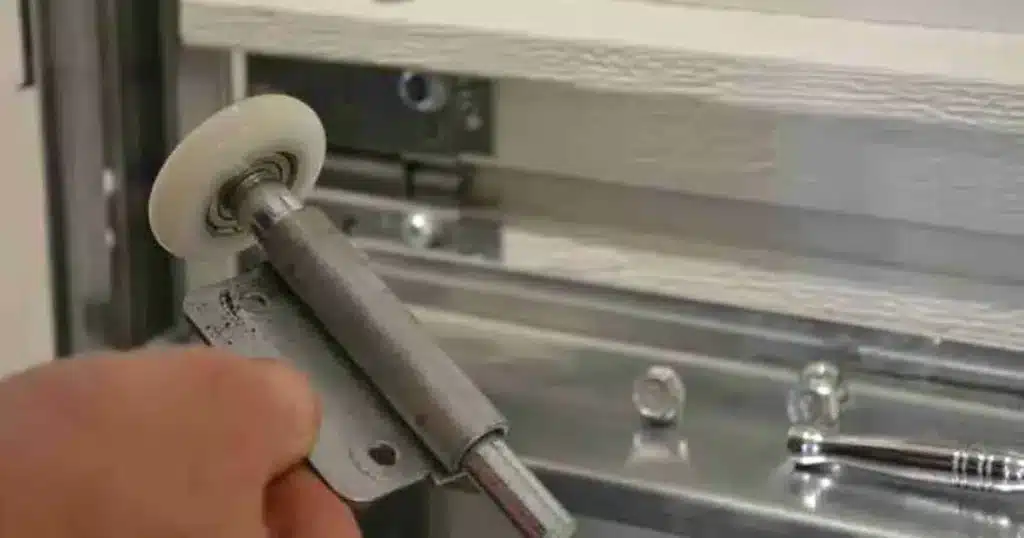
Stop Roller Wear Before It Leads to Bigger Garage Door Problems
Worn garage door rollers can disrupt smooth door movement and place added strain on other parts, such as the track, springs, and opener. Regular inspection and proper garage door maintenance help identify early signs of wear, allowing homeowners to address roller issues before they lead to further damage or costly repairs.
Affordable Garage Door Repairs of Castleton helps homeowners across Castleton, IN diagnose roller wear and restore reliable door performance. If your garage door makes unusual noises, moves unevenly, or shows visible wear on the rollers, contact us or give us a call today to schedule professional garage door service and keep your door operating smoothly.