Your garage door is the largest moving part of your home. In Castleton, IN, it also faces humid summers, freezing winters, heavy rain, and temperature swings that stress metal components year-round. That’s why consistent garage door maintenance is essential for keeping your system safe and reliable.
We’ve seen firsthand how small maintenance issues turn into major repairs simply because early warning signs were missed. The good news is that most serious problems can be prevented with routine garage door maintenance, regular inspections, and basic upkeep.
This garage door maintenance checklist is designed to help homeowners in Castleton protect their system, improve safety, and extend the life of their garage door without attempting risky repairs.
Why Garage Door Maintenance Matters in Castleton, IN
Garage doors in Central Indiana experience:
- Expansion and contraction from temperature swings
- Rust caused by humidity and road salt
- Track shifting from seasonal foundation movement
- Spring fatigue during freezing temperatures
Without preventive garage door maintenance, these conditions can shorten the lifespan of springs, cables, rollers, and openers.
A well-maintained garage door system can last 15 to 25 years. Neglected systems often require major garage door repair much sooner.
If you’re unsure about timing, be sure to read our guide on “How Often Should Garage Door Maintenance Be Done?” to better understand the right service schedule for homes in Castleton, IN.

10-Step Garage Door Maintenance Checklist Homeowners Can Follow
1. Perform a Full Visual Inspection
Start with the door closed. Stand inside the garage and examine the entire system.
What to Check:
- Cracked or dented garage door panels
- Rust on hinges or brackets
- Loose mounting bolts
- Bent garage door tracks
- Frayed lift cables
In Castleton neighborhoods, humidity and winter road salt often accelerate corrosion.
How to Avoid Bigger Problems:
If you spot rust or loose hardware early, schedule service before winter. Cold weather makes metal brittle, increasing the risk of sudden failure.
Average repair range if ignored: Minor issues may lead to a few hundred dollars in repairs. Structural damage can fall into a higher repair range.
2. Test the Garage Door Balance
Garage door springs carry most of the door’s weight. If the door is unbalanced, other components wear out faster.
How to Check:
Disconnect the opener and lift the door halfway manually.
A properly balanced door should:
- Stay in place
- Move smoothly
- Not slam shut
Warning Signs:
- The door feels very heavy
- Door drops quickly
- The door rises on its own
These symptoms often indicate worn torsion springs.
Important:
We never recommend adjusting springs yourself. They are under extreme tension and can cause serious injury.
Average repair range: Spring replacement typically falls within a moderate repair range, depending on door size and system type.
3. Inspect and Clean the Garage Door Tracks
Tracks guide the rollers as the door opens and closes.
What to Look For:
- Dirt buildup
- Visible bends
- Gaps between roller and track
- Misalignment
In Castleton, wind-blown debris and seasonal grime often collect inside tracks.
Preventive Tip:
Clean tracks with a dry cloth every few months. If you notice bending, avoid hammering it back into place. Improper alignment can make the issue worse and lead to emergency garage door repair.
4. Listen for Unusual Noises
Operate the door fully and listen carefully.
Sounds That Signal a Problem:
- Grinding
- Popping
- Scraping
- Excessive squeaking
Changes in sound are often the earliest sign of roller wear or loose hardware.
How to Reduce Wear:
Annual lubrication of hinges, rollers, and bearings reduces friction. Avoid thick grease products that collect dust and debris.
If noise continues, a professional evaluation may be needed.
5. Test the Auto-Reverse Safety System
Modern garage doors are equipped with safety sensors near the floor.
Simple Test:
Place a solid object under the door and close it. The door should reverse immediately upon contact.
Why This Matters:
This feature protects children, pets, and property.
If the door does not reverse:
- Sensors may be misaligned
- The opener force settings may need adjustment
This is not something to ignore. Safety systems should always function properly.
6. Examine the Weather Seals
Weather seals protect against moisture, pests, and drafts.
What to Check:
- Cracked bottom seal
- Brittle side seals
- Light visible under the door
Castleton winters can be harsh. Damaged weather stripping allows freezing air into the garage.
Preventive Tip:
Replacing worn seals improves insulation and helps protect stored belongings.
Neglecting this can increase heating costs during winter.
7. Visually Inspect Cables and Pulleys
Lift cables support the door during operation.
Look For:
- Fraying
- Rust
- Slack cables
- Uneven cable tension
If one cable fails, the door may tilt or become stuck.
Important:
We strongly advise against DIY cable repair. Like springs, cables operate under high tension.
Schedule professional service if you notice wear.
8. Check the Garage Door Opener Performance
Your opener should lift the door smoothly and consistently.
Warning Signs:
- Delayed response
- Motor strain
- Shaking during operation
- Inconsistent opening speed
In many Castleton homes, opener issues are often symptoms of spring imbalance rather than motor failure, which may indicate the need for professional garage door spring repair. When springs lose tension, the opener works harder than it should, increasing wear on the motor and internal components.
Smart garage door systems may also benefit from occasional software updates to maintain reliable performance.
9. Tighten Loose Hardware
Garage doors open and close thousands of times per year.
Vibration naturally loosens:
- Hinge bolts
- Roller brackets
- Track mounting brackets
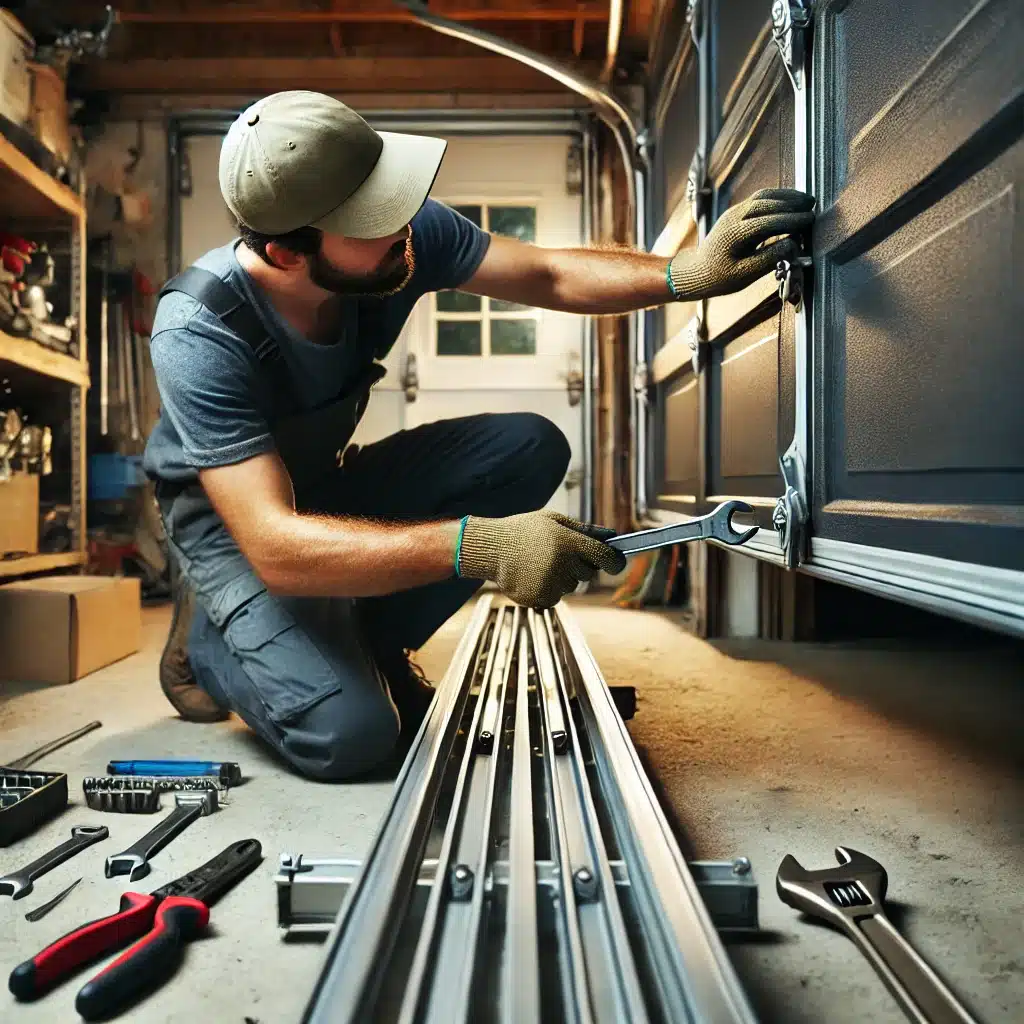
Use a socket wrench to gently secure visibly loose hardware. Avoid overtightening.
Regular tightening prevents track shifting, premature wear, and larger structural issues that could eventually lead to costly garage door replacement if left unaddressed.
10. Schedule Annual Professional Garage Door Maintenance
Even if everything seems fine, professional inspections are essential.
During annual maintenance, we check:
- Spring tension
- Cable integrity
- Roller wear
- Door balance
- Opener calibration
- Track alignment
In Castleton, we recommend scheduling maintenance before winter. Cold temperatures often expose weak components.
Average annual service range: Preventive maintenance typically costs significantly less than emergency repairs.
For a detailed breakdown of what is reviewed during service, read our guide on “What Does a Garage Door Maintenance Checklist Include?” to understand how each component protects your system long term
Common Garage Door Problems We See in Castleton, IN
Based on years of experience in Central Indiana, the most common issues include:
- Broken torsion springs during winter
- Bent tracks from a minor vehicle impact
- Rusted cables
- Worn rollers are causing a noisy operation
- Misaligned safety sensors
Most emergency garage door repair calls stem from maintenance warning signs that were ignored.
To better understand the long-term risks of neglect, we recommend reading “Why Is Regular Garage Door Maintenance Important?” for a deeper look at how preventive care protects your home and budget.
How Preventive Maintenance Protects Your Home
Your garage door plays a major role in your home’s safety, security, and convenience. In Castleton, IN, changing weather conditions make regular maintenance even more important to avoid unexpected garage door repair.
By following this garage door maintenance checklist, homeowners can:
- Improve operational safety
- Extend the lifespan of their garage door system
- Reduce unexpected garage door repair costs
- Maintain smooth, quiet performance
The goal is not to perform complex repairs. It’s to recognize early warning signs and take action before small issues turn into major garage door repair problems.
When maintenance is handled proactively, your garage door remains reliable even during the coldest Indiana mornings.
Expert Garage Door Support for Castleton Homes
At Affordable Garage Door Repairs of Castleton, we take pride in helping local homeowners keep their garage doors safe, balanced, and operating smoothly year-round. Our team understands the unique challenges Indiana weather brings, and we focus on honest evaluations, thorough inspections, and dependable service. If you’d like peace of mind knowing your garage door system is in expert hands, contact us today or give us a call to schedule your professional inspection.