
Garage door cables bear the full weight of the door through thousands of open-and-close cycles, and that constant demand takes a toll on the cable over time. A broken garage door cable does not always fail suddenly, but when it does, it can bring the entire garage door system to a halt without warning.
The lifespan of a garage door cable depends on the type of cable, how often the door is used, and the weather conditions it faces every season. Knowing how long it lasts helps homeowners schedule timely garage door repair before a simple cable issue turns into a costly breakdown.
Why the Lifespan of Your Garage Door Cable Matters
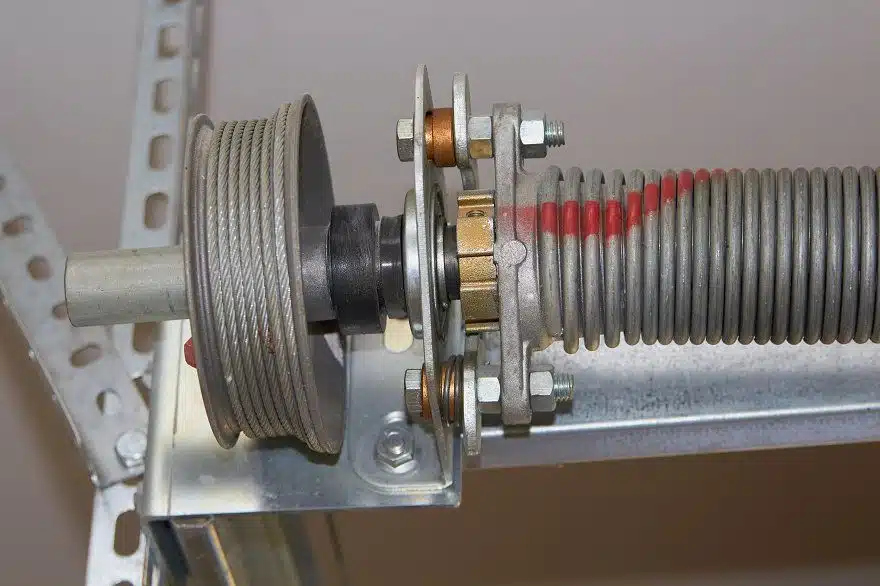
Cables are the backbone of any garage door system, and when they start to wear down from years of daily use, every connected part of the door begins to feel the impact, and the cost of ignoring it adds up fast.
Key reasons why knowing your cable’s lifespan matters:
- Knowing the lifespan helps you catch cable wear before it spreads to the entire system
- It gives you the window to plan repairs before a sudden failure shuts the door down
- Understanding lifespan prevents costly emergency repairs caused by an ignored worn cable
- It helps you identify when a safety hazard is developing before anyone gets hurt
- Lifespan awareness helps you make informed decisions about repair or full cable replacement
To understand what happens when cables are ignored past their lifespan, read our guide on Broken Garage Door Cable: Signs, Causes, and Repair Options, which covers everything from early wear patterns to full cable failure.
Types of Garage Door Cables and How Long They Last
Different types of garage door cables are designed for different systems, and each one has an expected lifespan based on its operating conditions.
Cable Type | Function | Average Lifespan |
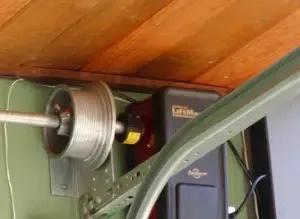
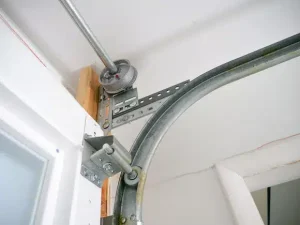
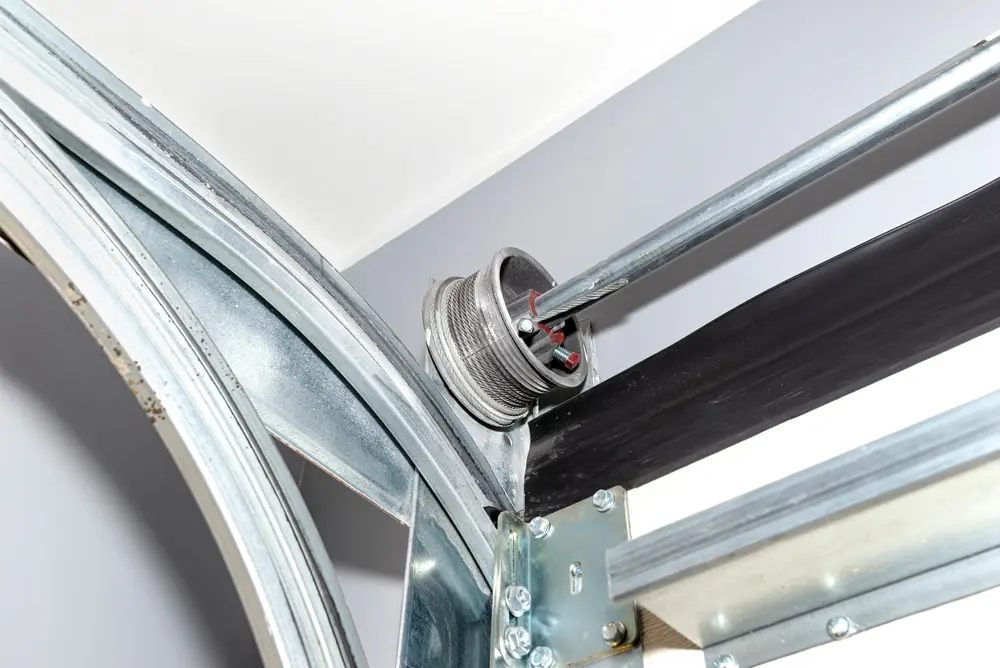
Torsion Spring Cables | Winds around a drum to lift the door using torsion spring tension | 7 to 10 years |
Extension Spring Cables | Stretches along the door track using extension springs to support movement | 5 to 7 years |
Safety Cables | Runs through extension springs to contain them if they snap | 5 to 10 years |
Knowing which cable type your system uses helps you set the right maintenance schedule and plan for garage door replacement before a failure catches you off guard.
How Long Does a Broken Garage Door Cable Last?
Average Use: 5 to 10 Years
Under normal household conditions, garage door cables hold up well for close to a decade before wear becomes a real concern.
What to expect from cables under average use:
- Most homes run 3 to 5 door cycles daily, which keeps cable stress at a manageable level
- Moderate use allows cable tension to remain balanced throughout the lifespan
- Galvanized steel cables in average-use homes often reach the higher end of this range
- Wear develops gradually, making it easier to catch during routine visual checks
- Basic lubrication and periodic inspections are enough to maintain cable condition
Starting inspections at the 5-year mark gives you enough lead time to monitor cable condition closely.
High-Use Garage as Main Entryway: 5 to 7 Years
Garages used as the primary entrance to the home take on significantly more daily mechanical stress than the average.
How high daily usage impacts cable lifespan:
- Door cycles reaching 8 to 10 per day put consistent extra strain on the cables
- Frequent lifting accelerates internal wire fatigue faster than moderate use
- Cable tension shifts more often, increasing the chance of uneven wear
- Early signs of wear tend to appear closer to year 4 in high-use setups
- Connected hardware, like drums and springs, also wears faster under this demand
Scheduling professional inspections every 6 to 12 months in high-use situations helps you stay ahead of wear.
High Humidity and Seasonal Weather: 3 to 5 Years
Moisture and temperature swings are two of the most damaging environmental factors affecting garage door cables year-round.
How environmental conditions break cables down faster:
- Poor garage ventilation accelerates rust development on cable wires
- Freeze-thaw cycles repeatedly stress metal strands through expansion and contraction
- Ground moisture near the door track corrodes lower cable sections faster
- Humidity strips the protective coating off galvanized cables over time
- Heavy seasonal weather significantly increases the chance of a snapped garage door cable
Applying weather-resistant lubricant every season and keeping the garage ventilated adds meaningful time to cable life.
Key Factors That Affect Garage Door Cable Lifespan
Several conditions work against your garage door cables over time, and knowing them helps you take the right preventive steps before wear becomes a real problem.
Factors that directly impact how long your cables last:
- Cable material and build quality affect how well it handles daily tension
- High frequency of use accelerates wire fatigue faster than expected
- Humidity and seasonal temperature swings corrode and weaken cable strands
- Unbalanced springs put uneven pressure on the cables during every cycle
- Skipping garage door maintenance allows minor wear to go undetected until failure
Understanding these factors gives you a practical foundation for deciding when to schedule an inspection or move forward with a replacement.
What Causes Garage Door Cables to Break Prematurely?
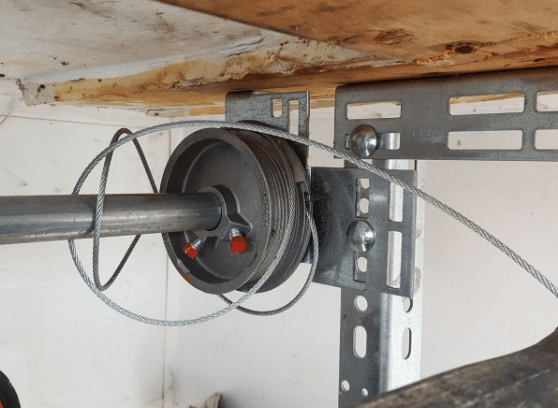
A broken garage door cable rarely happens without an underlying cause that has been building up over time.
Common causes of premature cable failure:
- Worn or broken springs force the cables to carry the full door weight unevenly
- Rust and corrosion from moisture weaken the wire strands from the inside out
- Improper installation creates tension imbalances that accelerate early cable wear
- Lack of lubrication causes friction that grinds down cable wires during every cycle
- Misaligned tracks put irregular stress on one cable more than the other
Identifying the causes of garage door cable failure gives you a clear advantage in preventing the kind of damage that leads to a full cable failure.
Warning Signs of a Broken Garage Door Cable
Recognizing the signs of a broken garage door cable early gives you the window to act before the damage spreads further into the system.
Warning signs to watch for:
- Visible fraying, rust, or slack appearing along the cable body near the drum
- One side of the door rises higher than the other during operation
- A loud snap or pop coming from the garage during a door cycle
- The door feels heavier than usual because the cables are no longer supporting the load
- Grinding or straining sounds coming from the garage door opener during operation
Any of these warning signs appearing together is a strong indicator that the cable has already reached a critical point and needs immediate professional attention.
Is It Safe to Operate a Garage Door With a Broken Cable?
Operating a garage door with a broken cable puts the entire system under a level of stress it was never designed to handle alone.
What happens when you continue operating a door with a broken cable:
- The remaining cable carries the full weight of the door, which creates a dangerous imbalance
- The overhead door can drop suddenly mid-cycle with no warning
- Garage door springs take on excess load and become prone to snapping under pressure
- The opener motor strains to compensate for the imbalance, which accelerates wear on the unit
- Anyone near the door during operation is at immediate risk of serious injury
To get a full picture of the dangers involved, read our guide on Is a Broken Garage Door Cable Dangerous to Operate?, which breaks down every risk factor homeowners need to know before touching a door with a damaged cable.
Should You Repair or Replace a Broken Garage Door Cable?
The condition of the cable and the overall state of the system determine whether a repair or a full garage door cable replacement is the more practical choice.
Factor | Repair | Replace |
Cable condition | Minor fraying or slack with no structural damage | Fully snapped, heavily corroded, or structurally compromised |
System age | Relatively new system with good overall condition | Older system where multiple components are worn |
Number of cables affected | Only one cable shows signs of damage | Both cables show wear, or one has already snapped |
Cost consideration | Lower upfront cost for isolated damage | Higher upfront cost but better long-term value |
Professional recommendation | Technician confirms damage is isolated and manageable | Technician identifies widespread wear across the system |
To weigh your options with a clearer understanding of what the repair process actually involves, read our guide on Can You Fix a Broken Garage Door Cable Yourself?, which walks through what professional cable work covers and why it matters.
Why You Should Hire a Professional for Garage Door Cable Repair
Garage door cables operate under significant tension, and handling them without proper knowledge puts both the person and the system at risk.
Why professional cable repair is the only practical option:
- High cable tension can snap back with enough force to cause serious injury
- Trained technicians inspect the full system beyond just the broken cable
- Proper tools ensure the new cable is installed with the right amount of tension
- DIY attempts often miss underlying problems that trigger repeat failures
- Professional service comes with accountability that protects your investment
Hiring a qualified technician for garage door cable repair ensures the job is handled correctly the first time without putting anyone at risk.
How to Extend the Life of Your Garage Door Cable
Taking care of your cables from the start is the most effective way to get the full lifespan out of your garage door system.
Practical ways to extend your cable’s lifespan:
- Start with quality cables during garage door installation to build a stronger foundation
- Lubricate cables, springs, and rollers every six months to prevent rust and friction
- Schedule regular inspections to catch early signs of wear before they worsen
- Keep the garage ventilated to reduce moisture buildup that corrodes cable strands
- Address unusual door movement or sounds before they put extra strain on the cables
Consistent upkeep gives your cables the best chance of reaching their full expected lifespan without unexpected interruptions.
Do Not Wait Until Your Garage Door Cable Runs Out of Time
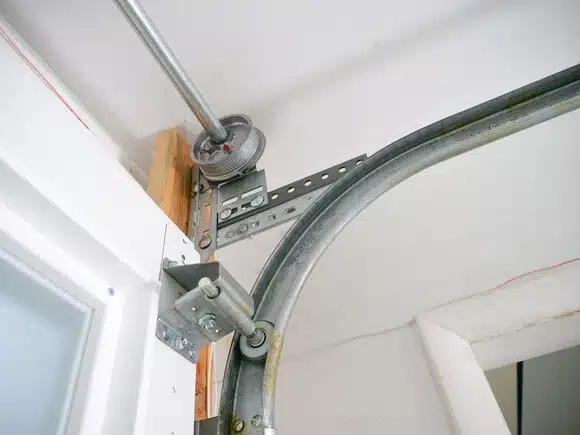
Garage door cables wear down gradually, and knowing how long they last gives you the advantage of acting before a worn cable turns into a full system failure. Understanding the lifespan of your cables, the factors that shorten it, and the warning signs to watch for puts you in control of your garage door’s condition.
Affordable Garage Door Repairs of Castleton is the trusted local team in Castleton, IN, ready to inspect, repair, and replace garage door cables with the expertise your system deserves. Contact us or give us a call today to schedule your appointment and let our team take care of everything your cables need.