

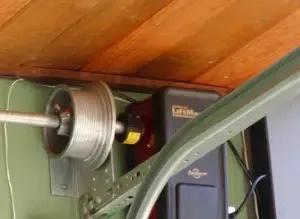
A broken garage door cable puts the entire door system under immediate stress, and most people wonder whether they can fix it themselves before calling anyone. That question deserves a straight answer because the decision made in that moment affects the safety of everyone in the household.
Fixing a broken garage door cable is not as simple as replacing a worn-out part, and the risks involved go far beyond those of a basic garage door repair job. The cables in a garage door system operate under significant tension, and handling them without proper training and tools can turn a manageable problem into a much more serious one.
What Happens When a Garage Door Cable Breaks?
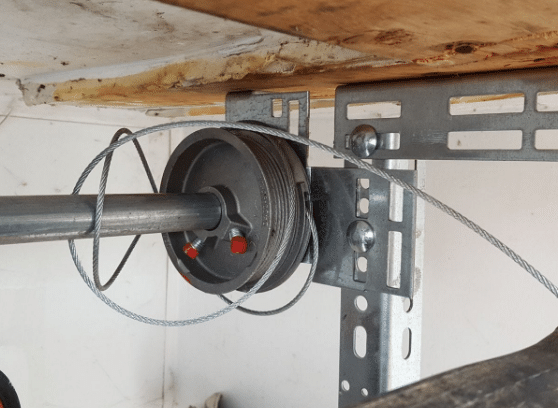
A broken garage door cable does not just affect one part of the door. It disrupts the entire system instantly, and every component connected to that cable begins to feel the impact from the moment it fails.
Key effects that happen the moment a cable breaks:
- The door’s weight shifts entirely to one side, creating an immediate imbalance.
- The remaining cable takes on extra strain and risks snapping soon after.
- The torsion spring loses its ability to distribute cable tension evenly.
- Garage door openers are forced to overwork to compensate for the lost balance.
- The tracks and rollers experience uneven movement, accelerating wear on surrounding parts.
To understand how these effects connect to the bigger picture of cable damage, read our guide on Broken Garage Door Cable: Signs, Causes, and Repair Options, which covers everything from early cable stress to full system failure.
Signs of a Broken Garage Door Cable
Recognizing the signs of a broken garage door cable early gives you the window to act before the damage spreads to the rest of the system.
Signs that your garage door cable needs immediate attention:
- One side of the door sits lower than the other, pointing to a snapped or dislodged cable.
- Frayed or worn cable strands mean the cable is close to full failure.
- A cable coiled on the garage floor has fully detached from the system.
- The door feels heavier than usual because the cable is no longer sharing the load.
- Uneven movement or a door that stops and reverses signals a lost cable tension.
Knowing these signs lets you make an informed decision about whether your garage door needs immediate professional attention.
What Causes Garage Door Cables to Break?
Understanding what causes garage door cables to break helps you identify conditions that could be working against your system before a failure occurs.
Common causes that lead to garage door cable failure:
- Daily wear and tear weakens cable strands through constant bending and flexing.
- Rust and corrosion from moisture strip the cable of its strength and flexibility.
- Worn or unbalanced springs force cables to carry more load than intended.
- Improper installation puts cables under the wrong amount of tension from day one.
- Skipping lubrication creates excess friction against the drum and pulleys over time.
Knowing these causes helps you decide when to call a professional before a minor issue leads to full cable failure or a garage door replacement.
Is It Possible to Operate a Garage Door With a Broken Cable?
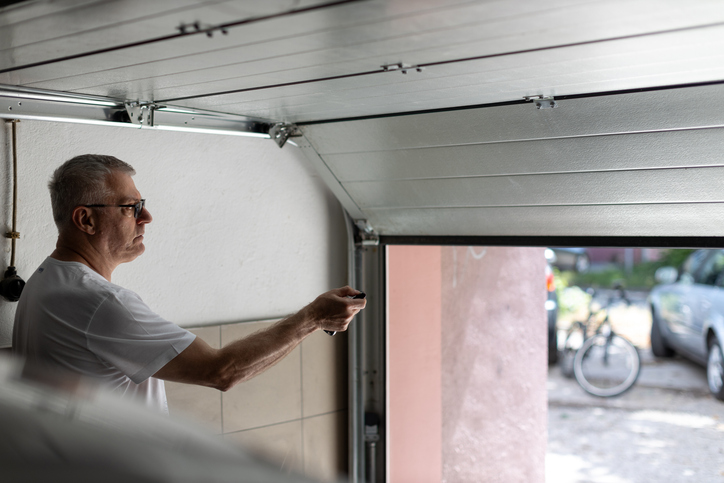
Operating a garage door with a broken cable puts the entire system under immediate stress and creates a serious problem that affects everyone in the household.
Reasons why operating a broken garage door cable is never a good idea:
- The door’s weight becomes fully unbalanced, making every movement unpredictable.
- The remaining cable takes on extra strain and risks snapping under the added load.
- Garage door openers are forced to overwork, risking motor burnout every cycle.
- Continued use spreads further damage to the tracks, rollers, and spring system.
- A door that drops suddenly puts anyone nearby at risk of serious injury.
To see exactly what these risks look like in real operating conditions, read our guide on Is a Broken Garage Door Cable Dangerous to Operate?, which breaks down every hazard that comes with running a damaged garage door system.
What Homeowners Can Initially Do (Safety First)
Before a professional arrives, there are immediate steps every homeowner can take to prevent the situation from getting worse.
Steps to take immediately after discovering a broken garage door cable:
- Stop using the door entirely to avoid spreading damage to the tracks and remaining cable.
- Unplug the opener to prevent accidental activation and the need for garage door opener repair.
- Secure the door to the track with C-clamps or locking pliers to prevent it from dropping.
- Visually inspect the cable, drum, and springs from a distance without touching any components.
- Check the other cable for fraying, rust, or visible signs of wear.
Taking these steps immediately limits the damage and gives the technician a clearer picture of what needs to be addressed during the repair.
Can You Really Fix a Broken Garage Door Cable Yourself?
The Risks of Attempting a Garage Door Cable Repair Yourself
Garage door cable repair involves components under extreme mechanical energy, and mishandling any one of them puts everyone nearby at risk.
Risks every homeowner should weigh before attempting a cable repair:
- Torsion springs store enough tension to cause serious injury when released incorrectly.
- Improper installation sets the wrong cable tension, leading to premature failure.
- One mistake with the drum or spring can bend the tracks or crack the drum.
- Amateur repairs leave the door unbalanced, straining the opener and rollers.
Understanding these risks gives every homeowner a realistic picture of what cable repair actually demands.
When DIY Might Seem Tempting
Handling a broken garage door cable independently feels reasonable to many Castleton, IN homeowners, even when the approach carries real risk.
Situations where homeowners feel confident enough to attempt a DIY cable repair:
- The cable has slipped off the drum but appears otherwise intact.
- The door still moves slightly, making the fix seem minor and manageable.
- Prior experience with basic mechanical repairs builds confidence.
- Damage appears to be limited to one cable, with no visible involvement of the spring or track.
Weighing these situations against the actual complexity of cable repair gives homeowners a more honest picture of what the job truly demands.
When You Should Call a Professional for Garage Door Repair
Certain conditions make professional garage door repair not just a practical choice but the only responsible path forward.
Situations that call for immediate professional service:
- A torsion spring is also broken, requiring specialized tools beyond standard household equipment.
- Both lift cables have failed, leaving the door with zero support for safe handling.
- The drum, tracks, or rollers show visible damage, along with the broken cable.
- Previous repair attempts have left cable tension uneven, causing erratic door movement.
Calling a professional under any of these conditions protects the door, the system, and everyone who uses the garage daily.
How Professionals Handle Garage Door Cable Repair or Replacement
Professional garage door cable repair or replacement follows a precise process that goes beyond simply addressing the damaged cable.
What a professional garage door cable repair or replacement involves:
- A full system inspection of cables, drums, springs, tracks, and opener before any work begins.
- Assessing whether the cable needs repair or full replacement based on the extent of damage.
- Releasing spring tension with specialized tools before removing or adjusting the damaged cable.
- Installing the new cable at the correct tension to restore balanced door operation.
- Testing the door multiple times after the job to confirm full system performance.
Every step in the professional process is designed to restore the complete integrity of the garage door system, not just the cable itself.
Advantages of Leaving It to the Pros
Choosing professional garage door cable repair over a DIY attempt delivers benefits that protect both the door and everyone who uses it.
Advantages homeowners gain by leaving cable repairs to the professionals:
- The job is completed the first time correctly with the right tools and proper knowledge.
- All high-tension components are handled by trained hands, eliminating the risk of serious injury.
- The entire garage door system is inspected, not just the damaged cable.
- Professional repairs come backed by a warranty on both parts and labor.
- Regular professional service significantly extends the lifespan of your garage door system.
Leaving cable repairs to a professional is the most dependable way to protect your door, your household, and your investment.
Maintenance After Garage Door Cable Repair or Replacement
Regular garage door maintenance following a cable repair or replacement reduces the likelihood of the same problem recurring.
Key maintenance steps to follow after a cable repair or replacement:
- Properly lubricate cables, rollers, and hinges every few months to reduce friction and slow wear.
- Schedule annual professional inspections to catch early signs of wear before they develop.
- Keep tracks clean and free of debris to prevent extra strain on the cables.
- Test the door’s balance periodically and call a professional if movement feels uneven.
- Check cables visually every few weeks for fraying, rust, or uneven tension.
To explore how consistent maintenance directly affects cable lifespan, read our guide on How Long Does a Broken Garage Door Cable Last?, which covers everything from expected lifespan to the factors that cut it short.
Leave the Risk Behind and Get Your Broken Garage Door Cable Fixed the Right Way
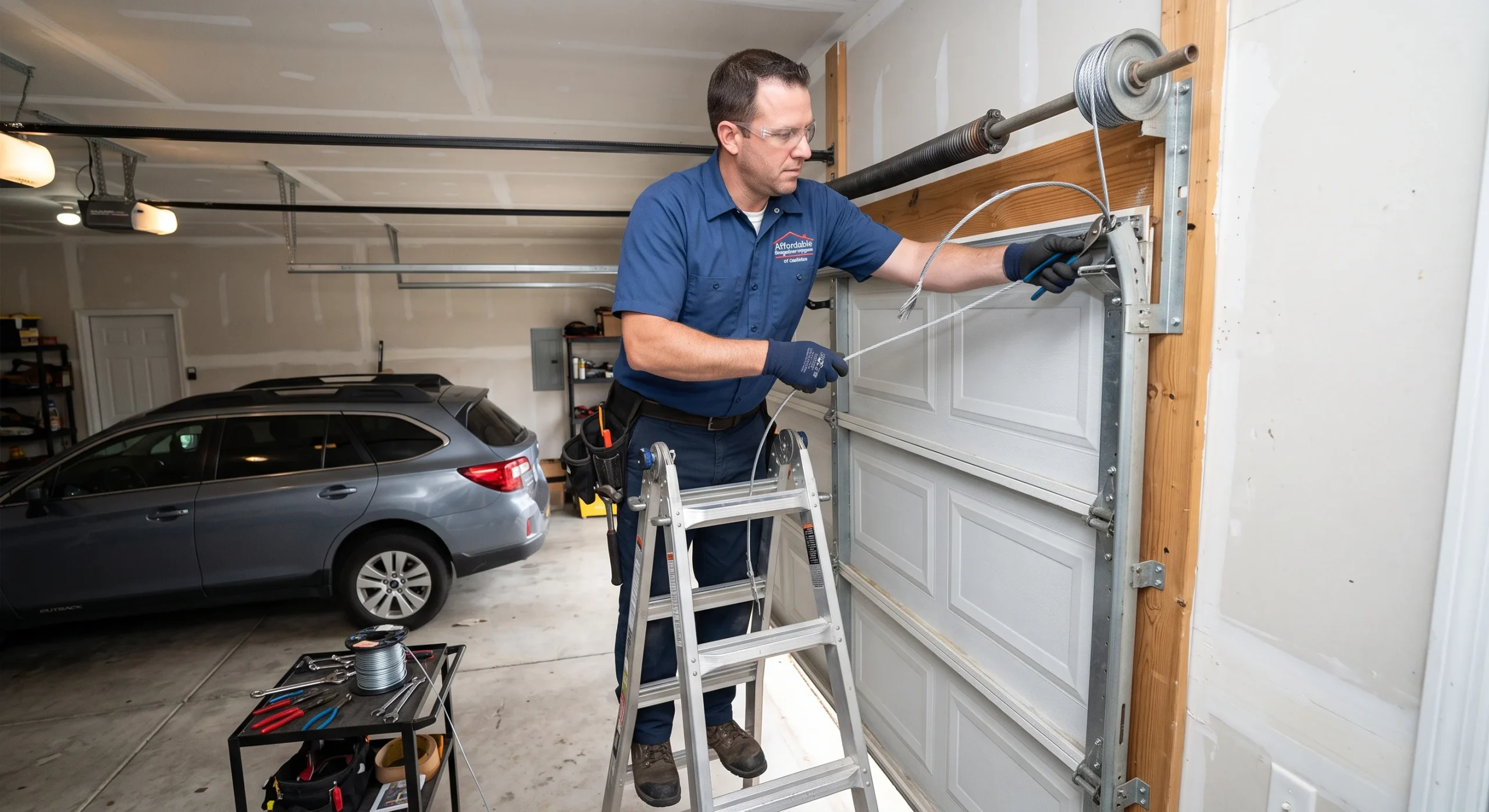
Fixing a broken garage door cable is not a job that forgives mistakes, and the risks involved go far beyond what most homeowners expect when they first look at the problem. Understanding what the repair actually demands, what can go wrong, and where the limits of DIY truly lie gives you the foundation to make the right call for your home.
Affordable Garage Door Repairs of Castleton is here to help Castleton, IN, homeowners handle every aspect of garage door cable repair and replacement with precision and care. Contact us or give us a call today and let our team assess your system, restore proper balance, and get your garage door operating the way it should.


