

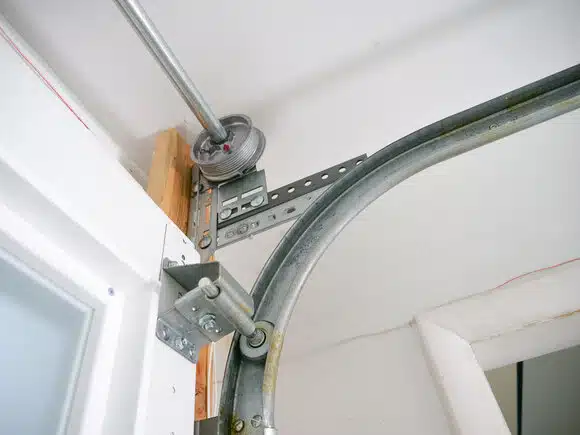
A broken garage door cable puts the entire door system under stress, and continuing to use the door after the cable fails creates a real risk of sudden collapse, injury, and property damage. The cable is not a minor component because it supports the door’s weight and keeps all moving parts in balance.
Operating a damaged door can turn a manageable garage door repair into an emergency that costs significantly more to fix. This guide explains exactly why a broken cable is dangerous, what happens to the door when it fails, and what steps you can take to protect you and your household from the consequences of ignoring it.
What Are the Warning Signs of a Broken Garage Door Cable?
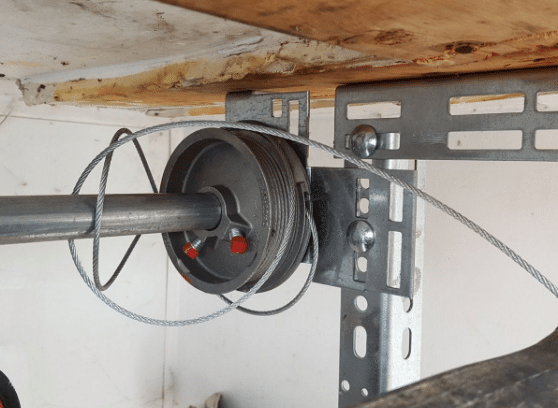
A broken garage door cable rarely fails without sending signals first, and recognizing those early signs of wear gives you the window you need to act before the damage spreads to the rest of the system.
Common warning signs to watch for:
- One side of the door rises higher than the other during operation
- A sudden loud pop or snap sound comes from the garage when the cable breaks
- The door feels heavier than usual because the cables are no longer supporting the door’s weight properly
- The garage door opener strains or makes a grinding noise during operation
- Visible fraying, slack, or rust appears along the cable body near the drum
To understand what these warning signs mean for the overall condition of your door, read our guide on Broken Garage Door Cable: Signs, Causes, and Repair Options, which covers everything that leads up to a full cable failure.
What Causes Garage Door Cables to Break?
Understanding what causes garage door cables to break puts you in a better position to address the problem before it becomes a full system failure.
Common causes of garage door cable failure:
- Normal wear and tear from thousands of open and closed cycles over the years
- Rust and corrosion from moisture weaken the cable strands from the inside out
- Improper installation or the wrong cable size puts constant stress on the system
- Worn-out or broken garage door springs are forcing the cables to carry more load than they were built for
- Lack of regular garage door maintenance allows small issues to build into a complete cable failure
Addressing these causes early through regular inspections is the most effective way to prevent a snapped garage door cable and the costly damage that follows.
What a Broken Cable Does to Your Garage Door?
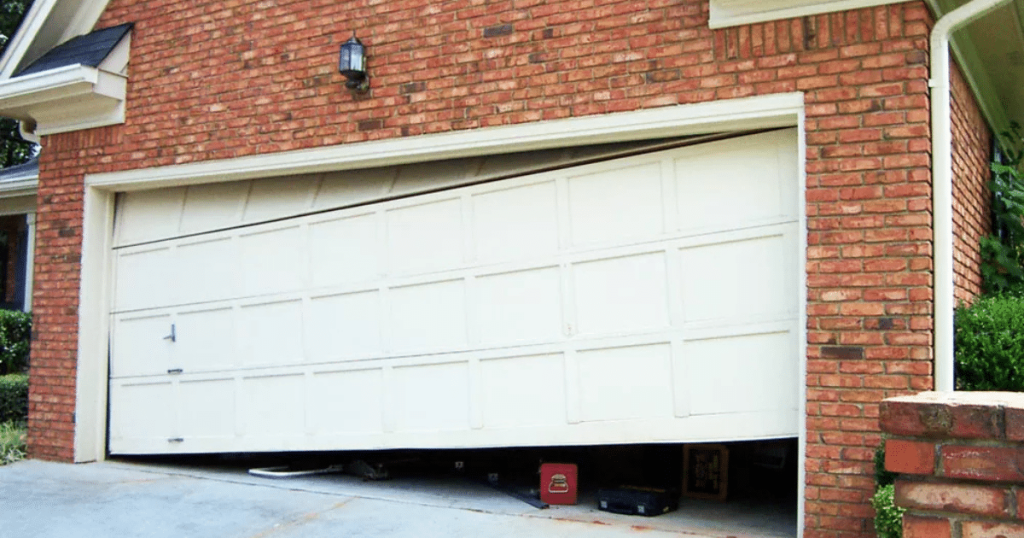
A broken garage door cable does not just affect the cable itself because the stress spreads to every connected part of the system the moment it fails.
Here is what happens to your garage door when a cable breaks:
- One side drops and creates an imbalance that makes the door impossible to control
- The remaining cable absorbs double the load and weakens rapidly
- The door binds against the tracks and accelerates roller wear
- The opener gets overworked trying to compensate for the unbalanced door
- The drum, brackets, and springs take on extra strain and deteriorate faster
To know how much time you have before this damage becomes irreversible, read our guide on How Long Does a Broken Garage Door Cable Last?, which walks through what homeowners can expect as the condition worsens.
Yes, a Broken Garage Door Cable Is Dangerous — Here’s Why
The Door Can Suddenly Collapse
Losing one cable removes the structural support that keeps the door’s weight evenly distributed across the entire system.
Reasons sudden collapse is a real danger:
- The remaining cable cannot hold the full weight of the door alone
- A falling garage door can weigh anywhere between 130 and 400 pounds
- Collapse can happen mid-cycle with no warning and no time to react
- Anyone standing underneath is at immediate risk of serious injury
- Vehicles parked inside are just as vulnerable as people standing nearby
Sudden collapse is one of the most preventable outcomes when cable damage is addressed before the door is used again.
The Door Moves in an Uncontrolled and Uneven Way
Uneven movement indicates the garage door system has lost the cable tension needed to keep the door traveling in a straight, predictable path.
Patterns that signal uncontrolled movement:
- One side travels faster than the other during the cycle
- The door tilts at an angle and forces itself against the track walls
- Forcing the door under these conditions accelerates damage to every component
- The amount of tension shifts unpredictably with each operation attempt
- Parts under uneven stress can break off and become a hazard to anyone nearby
Uneven movement is a clear signal that the door has already lost the balance it needs to operate, putting people and property at risk.
The Remaining Cable Can Snap Under Pressure
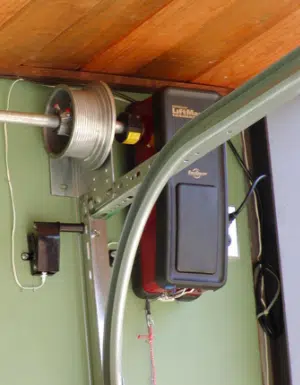
Once a cable breaks, the remaining cable takes on a load it was never engineered to carry alone.
What puts the remaining cable at immediate risk:
- Cable tension doubles the moment the first cable fails
- Each operation cycle pushes it closer to its breaking point
- A second snap can happen within hours or even minutes, depending on usage
- Total cable failure leaves the door with zero support on either side
- Operating the door even once after the first break accelerates the risk significantly
Every use of the door after the first cable fails brings the remaining cable closer to a second failure, leaving the door completely unsupported.
A Snapped Cable Can Whip and Cause Injury
Stored energy in a cable is released instantly when it breaks, sending the cable moving at high speed in an unpredictable direction.
Key dangers of cable whipping:
- A snapped cable travels fast enough to cause deep lacerations on contact
- Sharp frayed wire ends make contact injuries significantly worse
- Nearby walls, vehicles, and components are all within striking range
- Children and pets near the garage are especially vulnerable
- Even a near-miss can trigger secondary accidents around the garage
Cable whipping is one of the least expected yet most physically dangerous consequences of a broken garage door cable.
The Garage Door Opener Can Get Damaged
A broken cable throws off the door’s balance and forces the garage door opener to work significantly harder than it normally would during every single cycle.
How the opener takes the damage:
- The motor runs harder and longer to move a door that is no longer properly supported
- Overheating from excessive load can permanently burn out the motor
- Drive belts and chains slip or snap under the added resistance
- Repeated strain strips the internal gears faster than normal wear ever would
- Opener failure on top of cable failure turns one repair into a much larger expense
Addressing a broken cable before the opener sustains damage keeps the repair focused on the cable and nothing else.
What to Do Immediately When Your Garage Door Cable Breaks
The moment a garage door cable breaks, every action taken afterward either limits the damage or makes the situation significantly worse.
Immediate steps to take when your garage door cable breaks:
- Stop using the door immediately to prevent further damage to the system
- Keep children and pets away from the garage until a professional inspects the door
- Do not attempt to manually force the door open or close in any direction
- Disconnect the garage door opener to prevent accidental activation
- Call a professional garage door technician to assess and repair the damage
Quick action after a cable break is the single most important factor in keeping the situation from escalating into a comprehensive garage door replacement.
Why Garage Door Cable Repair and Replacement Should Be Left to the Professionals
Garage door cable repair and replacement involves high-tension components that can cause serious injury when handled without the right tools, training, and experience.
Reasons professional service is the best option for cable repair and replacement:
- Torsion springs store enough energy to cause life-threatening injuries if released incorrectly
- Proper cable tension cannot be set accurately without specialized tools
- Incorrect cable winding causes the door to go off-balance immediately after installation
- A missed step during garage door installation can cause the cable to snap within the first few cycles
- Professional repairs come with a service warranty that protects the homeowner
To weigh your options before making a decision, read our guide on Can You Fix a Broken Garage Door Cable Yourself?, which walks through what the repair actually involves and why professional service is the safer and smarter choice.
How Professionals Handle Garage Door Cable Repair and Replacement
Professional garage door cable repair and replacement follows a precise process that ensures the entire system is restored to proper working condition.
Here is how professionals handle garage door cable repair and replacement:
- Inspects both cables, drums, springs, and brackets before any work begins
- Releases spring tension safely using specialized winding bars
- Removes the damaged cable and installs the new one through the correct path
- Winds the new cable to the exact specification for the door’s weight
- Runs the door through multiple cycles to confirm smooth garage door operation
A properly completed cable repair and replacement restores the balance, tension, and control the door needs to operate without putting anyone at risk.
How to Prevent Your Garage Door Cable From Breaking Again
Preventing future cable issues comes down to consistent maintenance and paying attention to early signs of wear before they become serious problems.
Key steps to keep your garage door cable in good condition:
- Schedule a professional garage door inspection at least once a year
- Properly lubricate the cables every six months using a silicone or lithium-based lubricant
- Check the cables monthly for fraying, rust, slack, or any visible signs of damage
- Test the door’s balance regularly by lifting it manually to a midpoint and releasing it
- Address any unusual sounds or uneven movement immediately before the problem worsens
Regular maintenance is the most effective way to extend the lifespan of your garage door cables and avoid unexpected failures.
A Broken Garage Door Cable Is Dangerous and Demands Immediate Action
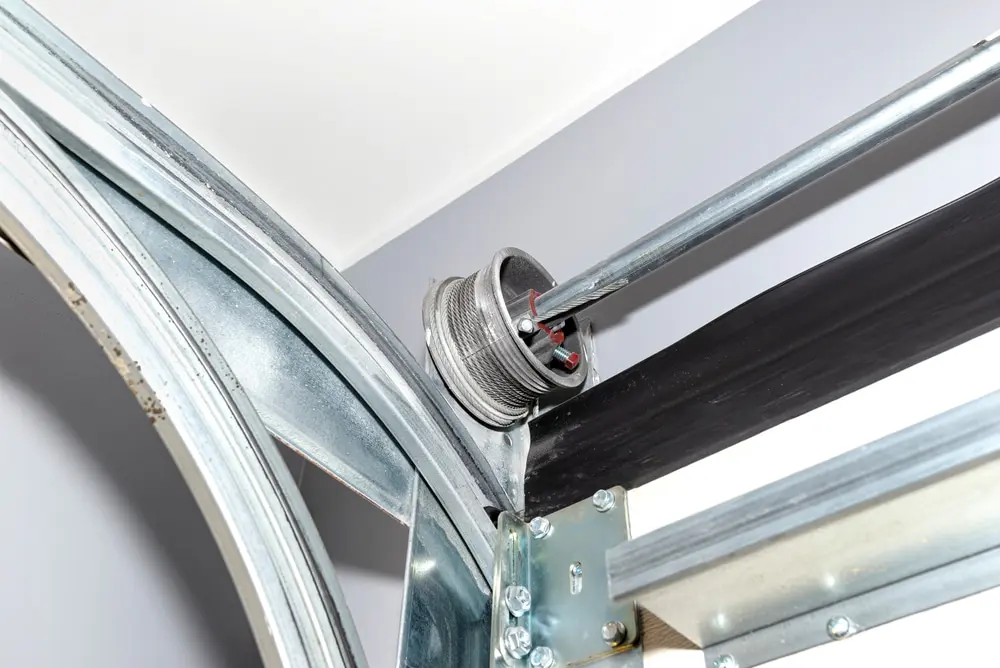
Operating a garage door with a broken cable puts everyone and every vehicle in the area at risk of serious injury and property damage. Addressing the problem immediately with professional repair is the only way to restore the safety and smooth operation that your garage door system depends on.
At Affordable Garage Door Repairs of Castleton, we help Castleton, IN, homeowners resolve broken garage door cable issues with honest inspections and dependable replacement. Contact us or give us a call today, and let our team restore your garage door to proper working condition.


