
A broken garage door cable can bring your entire garage door system to a sudden stop, leaving the door stuck, unbalanced, or hanging at a dangerous angle. Understanding the signs, causes, and repair options gives you the knowledge to handle the situation correctly before it gets worse.
Garage door cables carry the full weight of the door through every open and close cycle, and a single broken cable puts every connected component under immediate stress. This guide covers everything homeowners need to know about broken garage door cables, from warning signs to garage door repair options.
What Is a Garage Door Cable and What Does It Do?
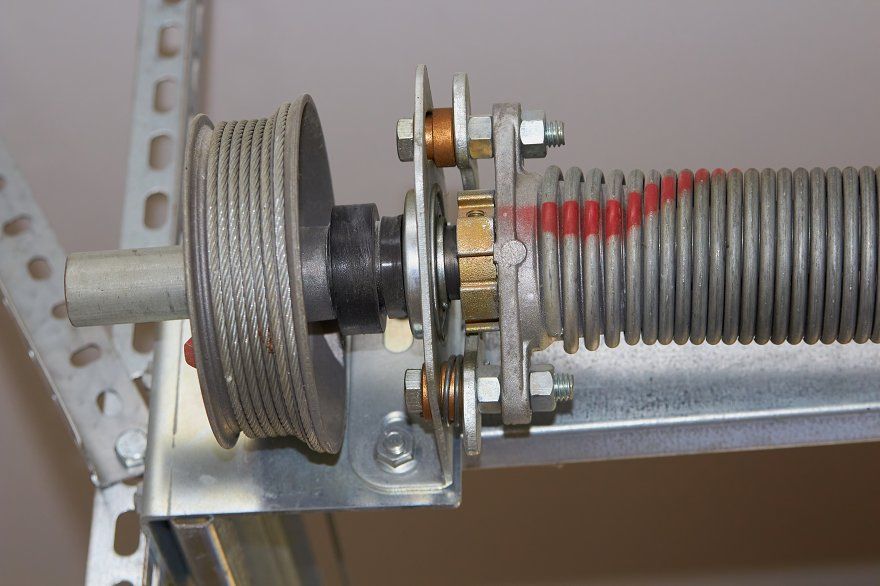
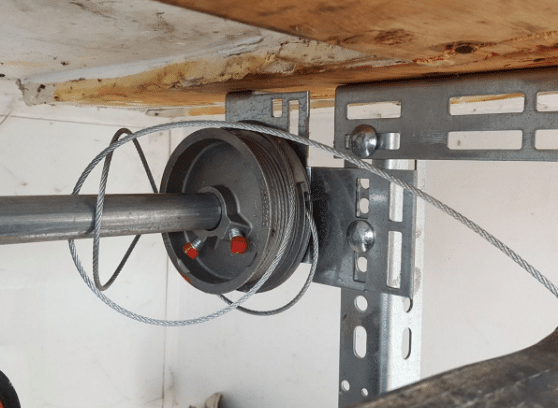
A garage door cable is a thick, steel-braided wire that connects the bottom of the door to the spring system, providing the tension, balance, and control it needs to operate properly on every cycle.
Here is what garage door cables do:
- Connect the door’s bottom corners to the spring system to control its movement.
- Transfer the lifting force from the springs to the door during each open-and-close cycle.
- Keep both sides of the door moving at the same speed and height simultaneously.
- Maintain the right amount of tension so the door stays balanced at every position.
- Support the full weight of the door when the opener or springs experience any sudden change in load.
To understand what it looks like when these cables stop doing their job, read our guide on Is a Broken Garage Door Cable Dangerous to Operate?, which covers the immediate risks homeowners face when a cable fails.
Why Your Garage Door Cables Need to Be in Good Working Condition
Garage door cables work behind the scenes on every single cycle, and their condition directly determines how well the rest of the system holds up over time.
Here is why keeping your cables in good working condition matters:
- Good cables keep the door balanced and protect the springs, tracks, and rollers.
- They prevent the opener motor from carrying more load than it was designed for.
- Well-maintained cables prevent fraying and snapping before they damage surrounding hardware.
- Properly tensioned cables eliminate uneven movement and keep the door tracking straight.
- Functional cables extend the lifespan of every connected component in the system.
To learn how long your garage door cables should last and when replacement becomes necessary, read our guide on How Long Does a Broken Garage Door Cable Last?, which covers the key factors that affect cable lifespan.
Is It Dangerous to Operate a Garage Door With a Broken Cable?
A broken cable makes every garage door operation a potential safety hazard, putting people, property, and the entire system at serious risk.
Here is why it is dangerous to operate a garage door with a broken cable:
- The door can fall without warning, causing serious injury or property damage.
- Uncontrolled movement can cause the door to shift sideways or drop unevenly.
- The remaining spring takes on the full load, increasing the risk of a second failure.
- Forcing the opener to run with a broken cable can burn out the motor instantly.
- Every attempt to perform an operation adds more stress to already compromised components.
Continuing to use a garage door with a broken cable turns a straightforward repair into a much larger and more expensive problem.
Common Signs of a Broken Garage Door Cable
A broken garage door cable rarely fails without warning, and knowing what to look for can prevent a minor cable issue from turning into a full system failure.
Here are the most common signs of a broken garage door cable:
- The door hangs lower on one side or tilts visibly during operation.
- The door fails to open, moves only a few inches, or reverses immediately.
- Cables appear visibly frayed, rusted, or have broken steel strands.
- The cable looks slack, tangled, or has unspooled from the drum.
- Loud banging, snapping, or grinding noises occur during operation.
These warning signs demand quick action before the problem causes further damage to the rest of the system.
What Causes Garage Door Cables to Break?
Garage door cables do not break randomly, and every failure has a root cause that points back to how the system was installed, maintained, or used over time.
Here are the most common causes of a broken garage door cable:
- Daily open-and-close cycles create metal fatigue that weakens the cable over time.
- Moisture exposure causes rust and corrosion that eats through the steel strands.
- A broken garage door spring shifts the full load onto the cable, causing it to snap.
- Misaligned tracks force the cable off the drum, causing uneven friction and fraying.
- Improper installation puts the cable under the wrong amount of tension from day one.
Addressing these causes through regular garage door maintenance is the most effective way to extend the life of your cables and avoid unexpected failures.
What Happens When a Broken Garage Door Cable Goes Unrepaired?
A broken garage door cable that goes unrepaired does not remain a cable problem for long, and the damage quickly spreads to every connected component in the system.
Here is what happens when a broken garage door cable goes unrepaired:
- The door becomes unbalanced and is at risk of falling suddenly without any warning.
- Springs take on the full load of the door and fail much sooner than expected.
- Tracks bend, and rollers pop out under the pressure of uneven weight distribution.
- The opener motor overworks and burns out from carrying a load it was not designed for.
- A simple cable repair escalates into a full system replacement the longer it is ignored.
Delaying repairs on a broken garage door cable turns an affordable fix into a costly emergency that may require a full garage door replacement.
Can You Fix a Broken Garage Door Cable Yourself?
Yes, but it is not recommended because garage door cables are under extreme tension, and even a small mistake can cause serious injury or significantly worsen the problem.
DIY Garage Door Cable Repair and Replacement Steps (High Risk)
Attempting a garage door cable repair or replacement without professional help requires handling components under extreme tension at every single step.
Here are the steps involved in a DIY garage door cable repair:
- Disconnect the opener, wear safety glasses and gloves, and secure the door with locking pliers on both tracks.
- Use winding bars to unwind the torsion spring and release all stored tension completely.
- Unhook the old cable from the bottom bracket and unwind it from the drum.
- Feed the new cable through the pulleys and wind it onto the drum in the original pattern.
- Re-tension the torsion spring to manufacturer specifications and test the door for balance.
To weigh the full risks before attempting a repair, read our guide on Can You Fix a Broken Garage Door Cable Yourself?, which covers what homeowners need to know before deciding between DIY and professional service.
Why Most Homeowners Should Leave This to a Professional
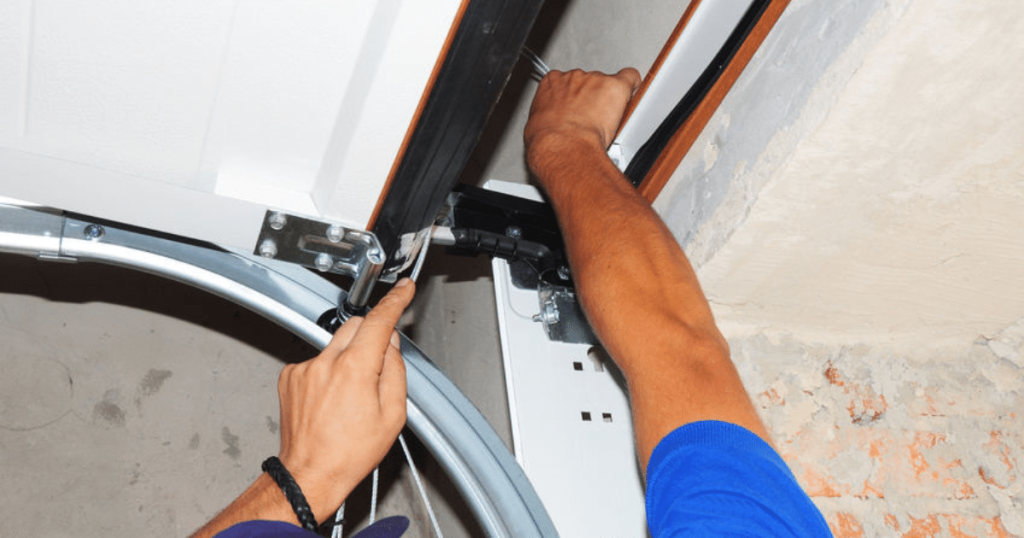
Garage door cable repair or replacement is too physically dangerous and technically demanding for most homeowners to handle without professional help.
Reasons why professional service is the better option:
- Torsion springs store enough energy to cause serious injury if released unexpectedly.
- Incorrect cable winding causes the door to go off-balance immediately after installation.
- Setting the right cable tension without proper tools is nearly impossible.
- A missed step can cause the cable to snap within the first few cycles.
- Professional repairs come with a service warranty that protects the homeowner.
Hiring a professional guarantees the repair is done correctly, safely, and with the right tools for the job.
Professional Garage Door Cable Repair and Replacement Options
Emergency Garage Door Cable Repair Service
Emergency garage door repair services are available for situations where the door is stuck, unbalanced, or completely nonfunctional and requires immediate attention.
Here is what emergency garage door cable repair service covers:
- Technicians respond quickly to assess the situation and secure the door.
- Most emergency technicians carry replacement cables to complete the job in one visit.
- Every attachment point, drum, and pulley gets checked before the repair is finalized.
- Safety tests confirm the door is balanced and operational after the cable is replaced.
Emergency service restores the door to working condition without leaving the system exposed overnight.
Standard Garage Door Cable Replacement
Standard garage door cable replacement is the most common professional service performed when a cable is fraying, stretched, or has already snapped.
What standard garage door cable replacement typically includes:
- Both cables get replaced at the same time to keep the door balanced and prevent uneven wear.
- Springs are inspected to confirm they are still within their normal operating range.
- Drums, brackets, and pulleys are checked to ensure the new cable seats correctly.
- Door balance is tested manually before the opener is reconnected.
Replacing both cables during a single visit keeps the system balanced and reduces the likelihood of a repeat failure.
Full Garage Door System Inspection
Beyond cable replacement, a full system inspection gives homeowners a complete picture of everything affected by the cable failure.
What a full garage door system inspection covers:
- Spring condition is assessed for wear, rust, or loss of tension that contributed to the failure.
- Track alignment is checked for bends or gaps that may have caused the cable to fray.
- Rollers and hinges are inspected and lubricated to restore smooth operation.
- All hardware connections are tightened, and worn components are flagged for replacement.
A full inspection after a cable failure identifies secondary damage that a basic cable replacement alone would leave unaddressed.
How to Prevent Garage Door Cable Damage and Extend Cable Life
Preventing garage door cable damage comes down to consistent maintenance that keeps the entire system within its normal operating range.
Here is how to prevent garage door cable damage and extend cable life:
- Schedule a professional garage door inspection at least once a year to catch wear early.
- Lubricate cables, springs, and rollers twice a year with a silicone or lithium-based lubricant.
- Test the door balance monthly by disconnecting the opener and lifting the door to waist height.
- Check cables every few months for fraying, rust, or slack near the drum.
- Address unusual noises or uneven movement immediately before they progress further.
Regular maintenance is the most effective way to extend cable life and keep the entire garage door system performing reliably for years.
Broken Garage Door Cable? Get the Right Repair From the Right Team in Castleton, IN
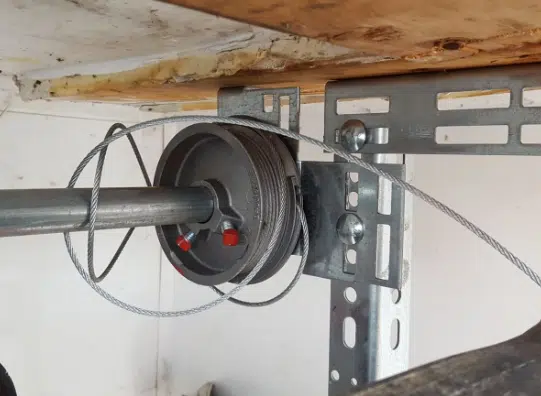
Knowing the signs, causes, and repair options for a broken garage door cable gives every homeowner the ability to act before the problem spreads throughout the system. Taking action at the first sign of cable wear protects the springs, tracks, opener, and hardware from unnecessary damage.
Affordable Garage Door Repairs of Castleton is the trusted choice for homeowners in Castleton, IN who need expert garage door cable repair and replacement done right. Contact us or give us a call today and schedule your appointment so our team can get your garage door back in full working condition.