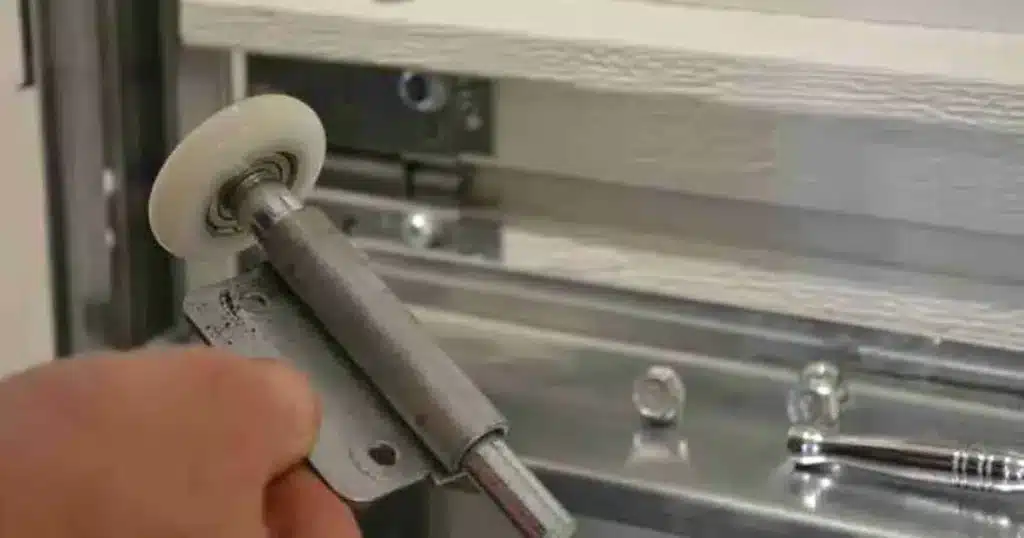
Garage door rollers guide the door along the track each time it opens or closes, ensuring the entire system moves smoothly. Because these small wheels carry the door’s weight and travel through the overhead garage door track daily, their lifespan plays an important role in overall door performance.
Understanding the typical life expectancy of garage door rollers helps homeowners recognize when roller wear begins affecting door movement. Knowing how long rollers normally last also helps determine when garage door repair may become necessary to maintain smooth operation.
What Happens When Garage Door Rollers Start Wearing Out?
Garage door rollers guide the door along the overhead track during daily operation, and repeated opening and closing cycles can cause roller wear that affects how smoothly the door moves.
Common changes that may appear as rollers begin wearing down include:
- Grinding or unusual noises during door movement.
- Uneven movement as the door travels along the track.
- Jerky movement when the garage door opener lifts the door.
- Visible wear or cracks forming on the roller wheels.
- Increased strain that affects other moving parts within the garage door system.
To understand how these warning signs indicate roller deterioration, read our guide on Worn Garage Door Rollers: Signs You Need Replacement, which explains the most common indicators homeowners notice before roller failure affects the system.
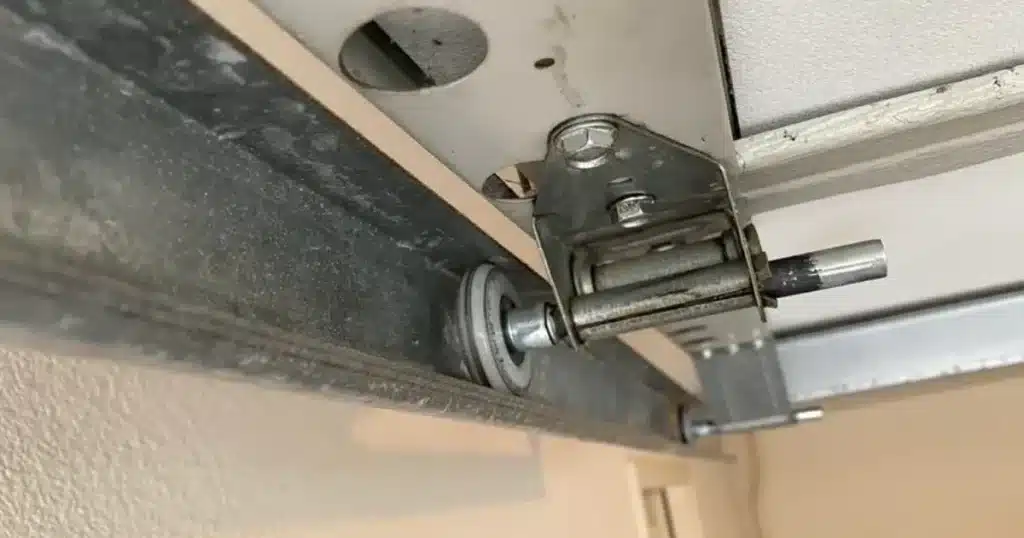
Types of Garage Door Rollers and Their Typical Life Expectancy
Plastic Garage Door Rollers: 2 to 3 Years
Plastic rollers guide many residential garage doors along the overhead track, but their lightweight construction often shortens their lifespan due to frequent use.
Typical characteristics include:
- Lightweight wheel design without internal ball bearings.
- Faster roller wear during repeated garage door cycles.
- Increased friction as plastic wheels begin deteriorating.
- More noticeable noise once roller surfaces wear down.
- Shorter lifespan compared with other types of garage door rollers.
Limited durability means plastic rollers often wear out sooner and may eventually lead to garage door replacement if deterioration spreads.
Steel Garage Door Rollers: 10 to 15 Years
Steel rollers are used in heavier garage door systems because their metal wheels guide the door along the overhead track during repeated cycles.
Important characteristics include:
- Metal wheel construction that supports heavier door-type installations.
- Internal ball bearings that support smoother roller rotation.
- Greater durability in high-use garage door systems.
- Strong resistance to roller wear during frequent operation.
- Compatibility with many standard overhead door replacement rollers.
As stated by Clopay, garage door rollers sit inside the tracks and allow the door to move up and down, with steel rollers offering greater durability than other materials.
Nylon Garage Door Rollers: 12 to 20 Years
Nylon garage door rollers are commonly used in residential garage doors because their durable nylon wheels help guide the door smoothly along the overhead track.
Performance advantages include:
- Nylon wheels designed to reduce operational noise.
- Sealed ball bearings support smoother door movement.
- Lower vibration compared with steel rollers.
- Longer lifespan under normal residential door usage.
- Compatibility with many overhead garage door systems.
Durable nylon rollers perform best with routine garage door maintenance that helps reduce friction and extend their lifespan.
Sealed Bearing Rollers: 15 to 20 Years
Sealed bearing rollers support high-cycle garage door systems because their enclosed ball bearings help them move smoothly along the overhead garage door track.
Design features include:
- Fully enclosed ball bearings that block dust and debris.
- Reinforced roller housings found in specialty rollers.
- Increased durability in demanding environments.
- Consistent performance in high-use areas.
- Reliable movement for heavier overhead garage door systems.
Enclosed bearings reduce friction and debris buildup, helping sealed bearing rollers maintain smoother movement and longer service life.
Factors That Affect the Lifespan of Garage Door Rollers
Several conditions influence how long garage door rollers last and how quickly roller wear develops within a garage door system.
Common factors that influence roller lifespan include:
- Frequent use of the garage door places constant pressure on the door rollers and gradually increases wear over repeated opening and closing cycles.
- Seasonal weather conditions, such as temperature changes, moisture, and debris, can affect garage door components and shorten the lifespan of rollers.
- Track alignment problems can cause uneven movement along the overhead garage door track and accelerate roller deterioration.
- Roller material and construction influence durability because plastic rollers often wear out faster than nylon or steel rollers.
- Limited maintenance and lack of regular lubrication increase friction and contribute to faster roller wear.
Each of these factors can gradually reduce the performance of garage door rollers and influence how long they operate smoothly within the garage door system.
Signs Garage Door Rollers Are Wearing Out
Garage door rollers experience constant movement along the overhead garage door track, and gradual wear can begin to affect how smoothly the garage door operates over time.
Common signs that garage door rollers are wearing out include:
- Grinding or unusual noises during garage door movement often indicate friction or worn roller wheels.
- Jerky or uneven movement along the overhead garage door track may signal deteriorating door rollers.
- Visible wear, such as cracks, flattened wheels, or debris buildup, can affect roller performance.
- Increased strain on the garage door opener can occur when worn rollers create extra resistance.
- Slower or inconsistent door travel may suggest that rollers are no longer rotating smoothly.
To learn what conditions commonly lead to roller deterioration and early roller wear, read our guide on What Causes Garage Door Rollers to Wear Out?, which explains the mechanical and environmental factors that affect roller lifespan.
Garage Door Rollers Repair vs Replacement
Different levels of roller wear can affect garage door performance in different ways, and identifying the rollers’ condition helps determine whether repair or full replacement is the better solution.
Situation | Garage Door Rollers Repair | Garage Door Rollers Replacement |
Minor debris or slight misalignment | Cleaning or adjusting rollers may restore smoother movement. | Replacement is usually not required if the rollers remain structurally intact. |
Early signs of roller noise | Lubrication or minor adjustments may temporarily reduce friction. | Replacement may be recommended if noise continues after maintenance. |
Visible cracks or flattened wheels | Repair rarely resolves structural roller damage. | Installing new rollers helps restore smooth operation along the track. |
Failing ball bearings inside the rollers | Bearings typically cannot be repaired effectively. | Replacement prevents additional strain on the garage door system. |
Persistent resistance during door travel | Temporary adjustments may provide short-term improvement. | Full roller replacement restores consistent door movement. |
To determine recommended timing for replacing worn rollers based on usage and system conditions, read our guide on How Often Should Garage Door Rollers Be Replaced? which explains typical replacement intervals.
What Helps Garage Door Rollers Last Longer
Several maintenance practices can extend the service life of garage door rollers and help the garage door system move more smoothly during daily operation.
Key practices that help garage door rollers last longer include:
- Regular lubrication of rollers and moving parts to reduce friction during door movement.
- Routine garage door maintenance inspections to detect early signs of roller wear.
- Keeping the overhead garage door track clean and free of debris that can disrupt roller travel.
- Checking door balance so excess weight does not place added strain on the rollers.
- Prompt roller replacement to prevent additional wear on surrounding components.
Consistent upkeep supports smoother door movement and can also prevent issues that later require garage door opener repair.
Protect the Lifespan of Your Garage Door Rollers in Castleton, IN
Garage door rollers play a critical role in how smoothly a garage door moves along the track, and understanding their expected lifespan helps homeowners recognize early signs of roller wear before bigger problems develop. Addressing worn rollers early can reduce strain on the garage door system and help maintain consistent door movement over time.
Affordable Garage Door Repairs of Castleton provides professional garage door service for homeowners who notice unusual noises, uneven movement, or visible wear affecting their garage door rollers. If your rollers are nearing the end of their lifespan or the door is no longer moving smoothly, contact us or give us a call today for expert assistance with your garage door.