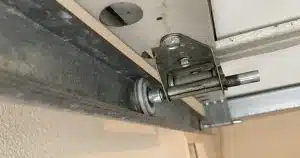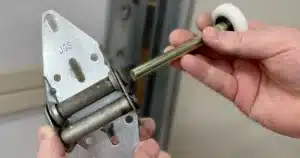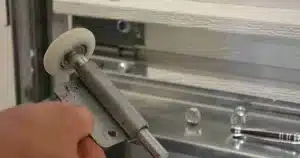
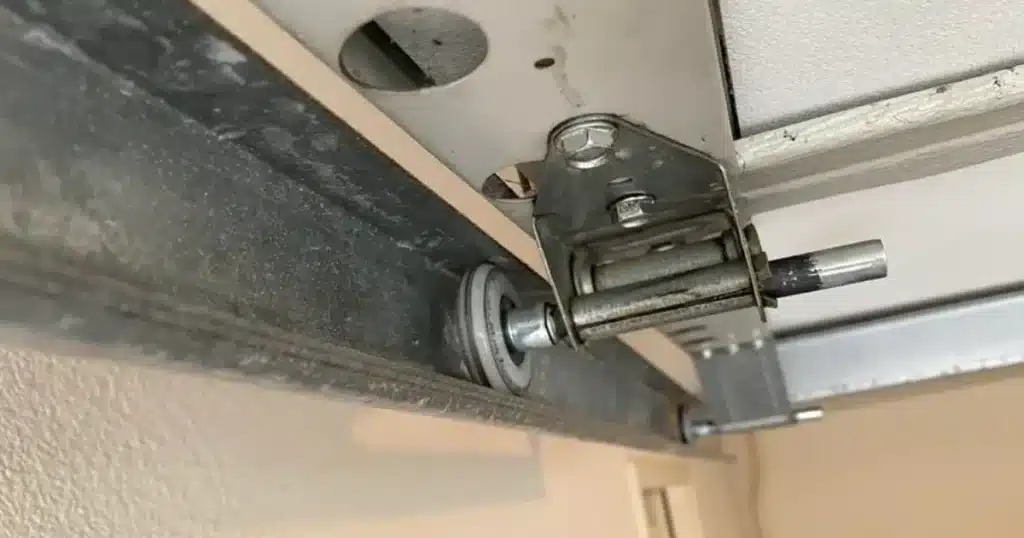
Garage doors in Castleton, IN, open and close several times each day, and the small wheels that guide the door along the track handle much of that movement. When garage door rollers begin to wear down, homeowners may notice unusual sounds, uneven movement, or other issues that can eventually require garage door repair.
Because rollers are among the most-used parts of the garage door system, gradual wear can affect how the entire door operates over time. Recognizing early warning signs helps homeowners address roller problems early and avoid costly repairs, operational issues, and added strain on other garage door components.
What Can Go Wrong When Garage Door Rollers Wear Out
Garage door rollers guide the door along the track during every opening and closing cycle, and once wear begins, friction and instability can place additional strain on the entire garage door system.
Common problems that develop as rollers deteriorate include:
- The door begins producing unusual noises, such as grinding or squeaking, during operation.
- Uneven movement may appear as the door travels along the overhead garage door track.
- Worn bearings inside the rollers can create jerky movement and increased vibration.
- Excess friction may place additional load on the garage door opener.
- Continued roller wear can eventually lead to visible damage or rollers slipping out of the track.
To understand why these problems begin and what conditions contribute to roller deterioration, read our guide on What Causes Garage Door Rollers to Wear Out?, which explains the factors that gradually affect roller performance.
Types Of Garage Door Rollers And Their Expected Lifespan
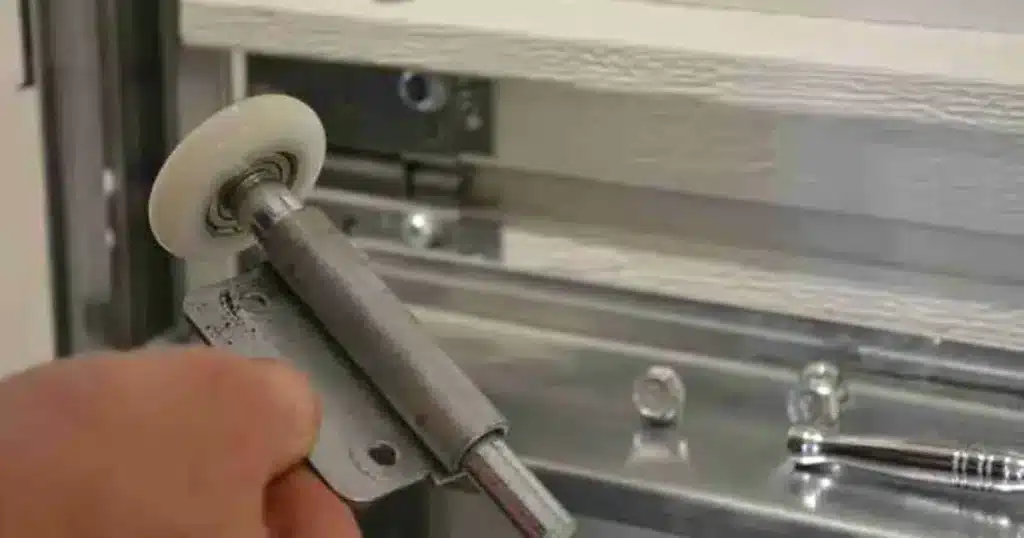
Different types of garage door rollers are designed for specific door systems, and the material used often affects durability, noise level, and how long the rollers last.
Type of Roller | Key Features | Typical Lifespan | Common Use |
Plastic Rollers | Basic design without ball bearings | Often lasts a couple of years | Standard residential garage doors |
Steel Rollers | Durable wheels with internal ball bearings | Around 10–15 years with maintenance | High-use doors and heavier systems |
Nylon Rollers | Quieter material with sealed bearings | Often 12–20 years | Popular choice for quieter residential doors |
Specialty Rollers | Stainless steel or custom designs for specific track sizes | Varies by design and door type | Specialty systems or unique garage door installations |
To learn how long these rollers typically last under daily use and maintenance conditions, read our guide on What Is the Life Expectancy of Garage Door Rollers?, which explains how roller materials and usage patterns influence lifespan.
What Homeowners In Castleton, IN Should Check Before Roller Problems Worsen
Before garage door rollers develop serious wear, homeowners in Castleton, IN, can often spot early warning signs by checking a few key parts of the garage door system.
Common things homeowners should check include:
- Debris or dents inside the overhead garage door track can restrict roller movement.
- Visible wear or cracks forming on the surface of the rollers.
- Uneven movement or jerky movement while the garage door opens or closes.
- Unusual noises such as grinding or squeaking during door operation.
Checking these areas during routine garage door maintenance can help detect roller wear early and reduce the chance of further damage to other parts of the garage door system.
Signs Your Garage Door Rollers May Need Replacement
Grinding Or Squeaking Sounds During Garage Door Operation
Grinding or squeaking during movement often signals friction in worn garage door rollers, especially as lubrication fades or internal ball bearings begin deteriorating.
Common sound patterns homeowners may notice include:
- Sharp squeaking as rollers travel through the overhead garage door track.
- Grinding noise that develops from worn ball bearings inside the roller housing.
- Metallic scraping sounds during door movement along the track.
- Noise that increases each time the garage door opens or closes.
- Persistent sound even after applying regular lubrication.
According to Clopay, squeaking and grinding noises usually occur when dried rollers or other moving parts rub together due to wear or lack of lubrication.
Garage Door Moves Unevenly Or Jerks While Opening
Uneven or unstable movement while opening often occurs when garage door rollers no longer roll smoothly inside the track and begin to drag against the metal surface.
Movement problems often appear through patterns like:
- Uneven movement where one side of the door rises slightly faster than the other.
- Noticeable jerky movement during the opening cycle.
- Sections of the door briefly pause while traveling upward.
- Extra strain that builds on the garage door opener motor.
- Increased vibration traveling through the garage door system.
Uneven door movement can place extra load on the opener motor, and ongoing strain may eventually require garage door opener repair to restore smooth lifting performance.
Visible Cracks, Chips, Or Wear On Garage Door Rollers
Visual inspection often reveals early signs of wear on rollers, particularly when the wheel surface begins deteriorating from friction or long-term use.
Indicators homeowners frequently notice during inspection include:
- Visible wear along the roller edge or wheel surface.
- Small cracks form along the roller material.
- Flattened spots that prevent smooth rolling.
- Roller stems showing rust or corrosion.
- Surface damage that affects the overhead door roller track movement.
Extensive roller deterioration can disrupt door balance, and advanced component wear may eventually require garage door replacement.
Garage Door Slows Down When Opening Or Closing
Reduced door speed during operation often signals increased resistance inside the track system as garage door rollers lose their ability to rotate smoothly.
Operational changes homeowners may observe include:
- Slower upward travel during the opening cycle.
- Noticeable hesitation as the garage door begins to move.
- Motor working harder while the garage door opener lifts the door.
- Delayed closing motion during downward travel.
- Extra strain that builds on the door springs and hinges.
Long-term roller friction can reduce overall system efficiency and shorten the working life of several garage door parts.
Excessive Vibration Coming From The Garage Door System
Strong vibration during operation often indicates that the rollers no longer absorb movement smoothly as they travel along the track.
Vibration patterns often appear through signs such as:
- Shaking felt along the overhead garage door frame during movement.
- Rattling sounds that develop inside the track area.
- The door panels vibrate as the garage door moves up or down.
- Motion transfers vibration into nearby hinges or hardware.
- Roller stems wobbling inside their mounting brackets.
Clopay explains that proper lubrication of rollers and other moving components helps reduce friction and wear, allowing the garage door to operate more smoothly and quietly while minimizing system vibration.
Rollers Frequently Slipping Or Coming Out Of The Track
Rollers slipping from the track can indicate severe roller deterioration or track alignment problems within the garage door system.
Situations where rollers may leave the track include:
- Wheel edges that become too worn to remain seated inside the track.
- Track misalignment that pushes rollers out of position.
- Bent sections that form along the overhead garage door track.
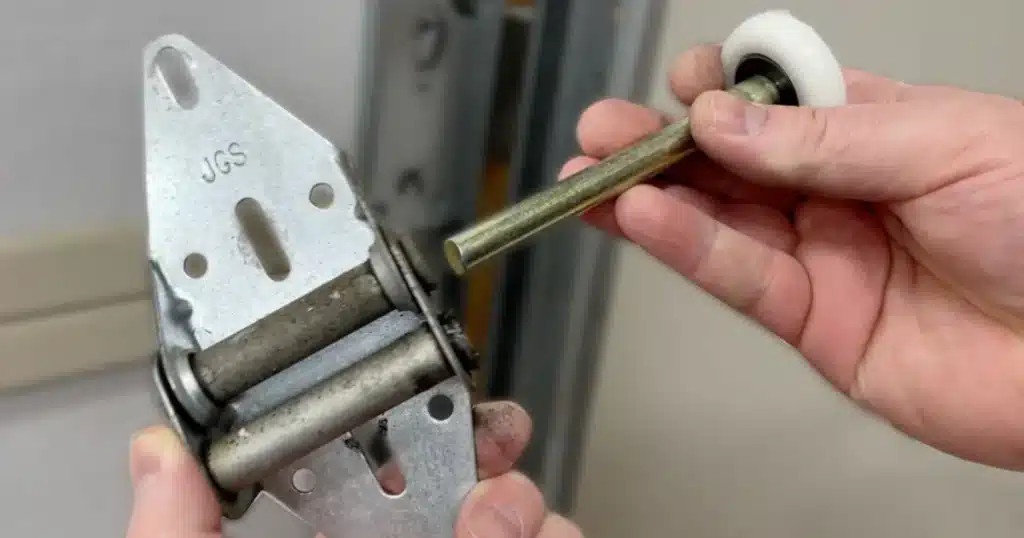
- Roller stems that loosen inside the hinge brackets.
- Door movement creates instability during opening cycles.
Rollers slipping out of the track often indicate severe wear or alignment problems, and prompt inspection can help prevent further damage to the garage door system.
When Garage Door Rollers Replacement Becomes Necessary
Wear in garage door rollers can gradually affect door movement, and certain conditions often indicate that replacement may be needed to restore smooth operation.
Situations that commonly signal the need for replacement include:
- Visible wear or cracks forming on the roller wheel surface.
- Rollers that produce persistent, unusual noises even after lubrication.
- Jerky movement or unstable travel along the overhead garage door track.
- Increased strain on the garage door opener during opening cycles.
- Rollers loosening inside hinges or slipping from the track.
To determine how maintenance schedules and usage patterns influence roller lifespan, read our guide on How Often Should Garage Door Rollers Be Replaced?, which explains when homeowners typically plan to replace rollers.
Tips To Help Prevent Early Garage Door Roller Damage
Preventive care helps extend the life of garage door rollers and keeps the entire garage door system operating smoothly over time.
Helpful practices that reduce early roller wear include:
- Apply regular lubrication to moving parts such as rollers, hinges, and springs to reduce friction during door movement.
- Keep the overhead garage door track clean by removing dirt and debris that can restrict roller travel.
- Inspect rollers for visible wear or cracks that may signal developing problems.
- Schedule routine garage door maintenance to identify minor issues before they become major problems.
Routine inspections and lubrication remain key parts of garage door maintenance, helping reduce roller wear and maintain smooth door movement.
Take Action When Worn Garage Door Rollers Start Showing Signs
Worn garage door rollers can disrupt the movement of the entire garage door system, often leading to unusual noises, uneven door travel, and increased strain on important components. Addressing early signs of roller wear helps prevent further damage, reduce safety risks, and keep the door operating smoothly.
Affordable Garage Door Repairs of Castleton provides professional garage door repair services for homeowners throughout Castleton, IN. If your door shows signs of worn rollers, unusual sounds, or uneven movement, contact us or give us a call today to schedule an inspection and get your garage door system operating smoothly again.