
Your garage door is often the largest moving component in your home, yet it’s easy to take its smooth operation for granted. Many people assume the automatic opener does all the work, but the real source of lifting power comes from the garage door spring. This critical part of the system is designed to counterbalance the door’s weight, making it feel far lighter than it actually is and allowing both you and the opener to move it with ease. Without a functioning spring, lifting a door that can weigh several hundred pounds would require significant effort.
Understanding how the garage door system works reveals just how much force is involved each time the door opens or closes, especially when a broken garage door spring disrupts that balance. This is why components such as the garage door spring play such an essential role in maintaining controlled, reliable movement and overall system stability.
Inside the Garage Door Spring System
The garage door spring system is designed to store and release large amounts of energy in a controlled, efficient way. Every garage door relies on one of two spring types: extension springs or torsion springs, and the choice between them determines how that energy is managed. Each system is matched to the size and weight of a sectional garage door, which is essential for maintaining balanced, predictable movement and overall operational stability.
The lifespan of garage door springs is measured in cycles, with one cycle representing a single opening and closing of the door. Over time, repeated cycles place stress on the metal, gradually causing wear. As this process continues, springs can lose tension or eventually fail, which is why understanding how the individual garage door components work together helps explain how the system continues to operate day after day.
For a deeper look at this relationship, the blog “How Do Components Interact With a Garage Door Spring?” explores how these parts support consistent performance.
The Structure of a Garage Door Spring Assembly
A garage door spring assembly is typically built in one of two configurations, with torsion springs being the most common choice for modern residential doors. These large, tightly wound springs are mounted on a metal shaft positioned above the garage door opening. As the door closes, cables rotate the shaft and wind the springs, allowing them to store rotational energy. When the door opens, the springs unwind in a controlled manner, transferring that energy back to the system to help lift the door panels.
Extension spring systems operate differently and use a pair of springs installed alongside the door tracks. Instead of twisting, these springs stretch as the door is lowered, storing energy through extension. When the door is opened, the springs contract and release that stored energy, working with cables and pulleys to assist in lifting the door smoothly.
The primary difference between torsion springs and extension springs lies in how they generate force and where they are installed. Torsion springs create lifting power by twisting on a shaft and are generally considered more stable because a broken spring remains secured in place. Extension springs generate force by stretching, and without proper containment, a break can cause the spring to move unpredictably. Torsion systems also tend to provide smoother, more consistent door movement and typically offer a longer service life.
How the Garage Door Spring Supports Door Movement
A garage door spring plays a central role in balancing the substantial weight of the door. Whether the system uses torsion or extension springs, the purpose remains the same: to counteract the door’s weight so it feels nearly weightless during operation. This balance allows the garage door opener to guide the door along its tracks rather than bearing the full load, with the spring supplying most of the lifting force.
When the door closes, the springs store energy by increasing tension either through winding in a torsion system or stretching in an extension system. That stored energy remains until the next opening cycle, at which point the springs gradually release it to assist the door as it rises. The coordinated interaction between the spring system and the opener creates the smooth, controlled motion most homeowners expect.
Changes in how the door moves can signal that the spring system is no longer functioning as intended, whether in residential settings or commercial garage doors that experience heavier use. A door that feels unusually heavy, struggles to open, or hangs unevenly may indicate a loss of spring balance, while audible noises from the coils or visible gaps in torsion springs can point to internal changes within the system. These signs reflect how closely the spring’s condition is tied to the overall performance of the garage door.
How Tension Affects a Garage Door Spring
Tension is the force that allows a garage door spring to perform its role, and it is carefully calibrated rather than random. The amount of tension applied is determined by factors such as the door’s weight, its height, and the physical characteristics of the spring itself, including wire thickness and overall length. In torsion spring systems, tension is created by winding the spring a precise number of turns, while extension spring systems rely on how far the springs stretch as the door closes.
This stored tension enables the spring to counterbalance the door’s weight and keep it suspended without strain. At the same time, it places the spring under constant stress. Each time the garage door opens or closes, the metal flexes slightly as part of a complete spring cycle. Over thousands of cycles, that repeated movement gradually weakens the material, which can lead to a loss of tension or eventual failure as wear accumulates.
To explore this concept further, the blog “Why Is a Garage Door Spring Under Constant Tension?” examines the forces at work within the system.
Forces Acting on the Garage Door Spring During Operation
Throughout every stage of operation, a garage door spring is subjected to several forces that must remain in balance for the system to function smoothly. When the door is closed, the spring holds a large amount of stored energy, maintaining tension until the next opening cycle. As the door begins to rise, that stored energy is released in a controlled manner to assist with lifting the door.
The primary forces acting on the garage door spring include:
- The gravitational force, created by the weight of the garage door, pulls downward at all times.
- The spring force, which counteracts gravity by storing and releasing energy to support the door’s movement.
- Torsional or linear force, depending on the spring type, where torsion springs generate force through twisting and extension springs generate force through stretching.
- Opener force, supplied by the garage door opener, guides motion and initiates movement while relying on the spring to handle the majority of the load.
Each of these forces must remain properly balanced for the garage door to move in a controlled and predictable way. When that balance is disrupted, strain increases across the system, affecting overall performance and stability.
What Occurs When a Broken Garage Door Spring Disrupts Balance
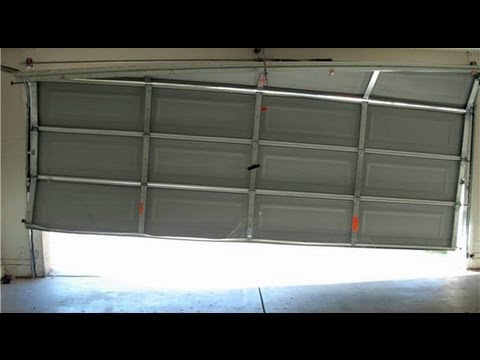
When a garage door spring breaks, it often does so suddenly and with a sharp, explosive sound caused by the rapid release of stored energy. Once the spring fails, the system immediately loses its balance, leaving the full weight of the garage door unsupported. The spring that once counteracted that weight is no longer providing assistance, and the door’s behavior changes dramatically as a result.
This sudden imbalance introduces serious safety concerns for residential garage doors as well as other door systems. A door in motion at the time of failure may drop abruptly, while a closed door can become extremely difficult to lift due to its unassisted weight. Garage door openers are designed to guide balanced doors rather than support their entire mass, so continued operation under these conditions can place excessive strain on motors, gears, and cables. A broken spring fundamentally changes how the entire garage door system responds, highlighting the critical role of spring balance in ensuring controlled and reliable door movement.
How Garage Door Spring Repair and Replacement Affect the System
When a garage door spring stops functioning, restoring safe operation becomes a priority. In some situations, garage door spring repair may address limited issues within the system, while a broken spring typically requires full garage door spring replacement. The goal in either case is to return the system to proper balance so the door can operate as intended.
Replacing a failed spring restores the counterbalance that allows the door to move smoothly and predictably. Once the correct spring is installed and properly tensioned, the entire system benefits from improved performance and stability. Using a spring that matches the door’s weight and design is essential, as incorrect tension can affect how the door moves and place unnecessary strain on other components.
With the spring functioning correctly, the door opens and closes in a controlled manner while reducing stress on cables and the garage door opener. A properly restored spring system helps preserve overall system integrity and supports consistent operation over time.
For more insight into related issues, the blog “What Causes Imbalance in a Garage Door Spring System?” explores how balance can be disrupted and why it matters.
The Role of Garage Door Spring Repair in Restoring Function
The primary purpose of garage door spring repair is to bring the system back into balance so it operates safely and smoothly. When a spring fails, the door loses its counterweight support, causing uneven movement and increased strain throughout the system. In most cases, addressing this imbalance involves installing a new spring that is suited to the door’s size and weight, allowing the door to return to a near weight-neutral state.
Once the spring is restored, the door becomes easier to lift, and the opener can function as intended by guiding motion rather than compensating for excessive weight. Proper balance is critical because an unbalanced door can accelerate wear on cables, rollers, and panels, which may lead to additional system issues over time.
The repair process begins with a thorough evaluation of the garage door system to identify the spring type and confirm the door’s dimensions and weight, an approach that aligns closely with proper garage door installation standards. From there, existing tension is safely released, damaged components are removed, and the new spring is installed and adjusted to the correct level. Final testing ensures the door moves evenly and responds smoothly, confirming that balance and function have been fully restored.
Garage Door Spring Replacement and Repair Cost Considerations
When dealing with a broken spring, one of the most common concerns is the garage door spring replacement cost, which can vary based on several factors such as the type of spring required, local labor rates, and whether a single spring or a matched pair is being replaced. Torsion springs generally fall on the higher end of the cost range because of their more complex design and installation process, while extension springs are typically less expensive. In many cases, replacing a single spring, including parts and labor, may fall within a broad mid-range cost, while replacing both springs together often results in a higher total but helps restore proper balance and reduces the likelihood of additional system strain. Labor charges also play a role, as heavier doors require stronger springs and more precise adjustment, and torsion systems in particular demand specialized tools to safely manage tension. Location and door weight further influence the final expense, making each replacement situation slightly different depending on the system’s design and operating demands.
Understanding how a garage door spring works plays an important role in keeping the system safe and operating smoothly. The interaction between components and the tension stored in the spring directly affects how the door moves and how reliably it performs over time. Repairs or replacements within this system can significantly influence overall operation, which is why recognizing how these parts function together makes it easier to notice changes early and respond thoughtfully. Staying informed about your garage door system helps maintain consistent performance and reduces the chance of more serious issues developing later, while seeking knowledgeable guidance when questions arise can provide added clarity and confidence.
For homeowners looking for dependable support, Affordable Garage Door Repairs of Castleton provides experienced service focused on restoring proper function and long-term reliability. Our team understands how spring systems, openers, and door components work together, allowing us to address issues with care and precision. If you have concerns about your garage door or want professional insight into its condition, contact us today or give us a call to schedule an inspection and keep your system operating at its best.
Frequently Asked Questions
How can garage door spring issues be recognized through changes in door operation?
Garage door spring issues often become noticeable through changes in how the door moves. The door may feel unusually heavy when lifted, move unevenly along the tracks, or struggle to open with the help of the opener. In some cases, a sudden loud bang signals that a spring has broken, while visible gaps in a torsion spring or misaligned extension springs can confirm the issue through inspection.
What happens inside the system when only one garage door spring fails?
When one spring fails in a paired system, the balance of the garage door is immediately disrupted. The remaining spring is forced to carry more load than it was designed to handle, causing uneven door movement and added strain across the system. This imbalance often leads to sagging on one side of the door and increases the likelihood of further spring failure.
What determines how garage door spring repair work progresses within the system?
Garage door spring repair is guided by the door’s design, weight, and spring configuration. The process begins with identifying the correct spring type and specifications, followed by safely releasing stored tension, replacing damaged components, and adjusting the new spring to restore proper balance. Final testing ensures the system operates smoothly and responds evenly throughout its full range of motion.
What occurs internally when a broken garage door spring fully gives way?
When a garage door spring breaks, the stored energy is released instantly, often producing a sharp, explosive sound that signals sudden failure within the system. At that moment, the counterbalance is lost, leaving the door unsupported and far heavier than normal, which can cause it to drop abruptly or place excessive strain on tracks, cables, and the opener, ultimately affecting overall system stability. For a clearer explanation of how this process unfolds and why it matters, a detailed overview from HomeServe offers additional insight into garage door spring failure.
How do torsion springs and extension springs differ within a garage door spring system?
Torsion springs and extension springs differ in both function and placement. Torsion springs are mounted above the door and generate force by twisting, providing controlled and even lifting. Extension springs run along the sides of the door and operate by stretching, assisting movement through linear tension. Torsion systems typically offer smoother operation and longer service life, which is why they are more commonly used in residential garage doors.
How does the lifespan of a garage door spring influence overall system performance?
A garage door spring’s lifespan directly affects how efficiently the system operates. As springs age, repeated cycles weaken the metal and reduce tension, making it harder to support the door’s weight. This loss of efficiency places added stress on the opener and other components, increasing wear and reducing overall system reliability.
Why does door movement change after a broken garage door spring develops?
Door movement changes after a spring breaks because the counterbalance system is no longer functioning. Without spring support, the opener struggles to move the full weight of the door, and manual lifting becomes difficult. The door may appear uneven, move unpredictably, or become stuck along the tracks until proper balance is restored.
How does a broken garage door spring impact other system components?
A broken spring shifts excessive load onto other garage door components that are not designed to handle it. The opener motor experiences increased strain, cables may stretch or fail, and the door can move out of alignment, affecting tracks and panels. Addressing spring failure promptly helps limit damage across the rest of the system.
What happens within the garage door spring system when the door remains open?
The effect of an open garage door on the spring system depends on the spring type, with torsion springs carrying minimal tension when the door is fully open, while extension springs remain under maximum stretch. Over time, this sustained tension in extension systems can accelerate wear and influence how long the springs maintain proper performance. For additional background on how torsion springs operate and why this matters, an in-depth overview from Liberty Home Guard provides helpful context.
How does door weight affect garage door spring replacement and system balance?
Door weight is a critical factor in selecting the correct garage door spring. Springs must be matched precisely to the door’s weight to maintain balance and controlled movement. Springs that are too weak fail to lift the door properly, while overly strong springs can cause abrupt or unstable motion, making accurate spring selection essential for system stability.