
Your garage door is likely the largest moving feature in your home, and its performance depends heavily on a properly balanced garage door spring system. These durable springs carry the weight of the door, allowing it to open and close smoothly with minimal effort. When the system is balanced, the door moves evenly, placing less strain on the opener and other connected components.
When that balance is disrupted, often by a broken garage door spring, the entire garage door system can begin to struggle. Uneven spring tension increases stress on moving parts and can create safety concerns if left unaddressed. Understanding what causes spring imbalance makes it easier to recognize early warning signs before the door stops working altogether. This article explains how garage door springs maintain balance, what leads to system issues, and the indicators that suggest your garage door springs may need closer attention.
How a Garage Door Spring System Keeps the Door Balanced
A garage door operates on a simple but effective principle known as counterbalancing. The springs are calibrated to hold tension equal to the weight of the door, storing energy that does most of the heavy lifting. Because of this balance, opening the door with an automatic opener or by hand requires far less effort, as you are guiding the door’s movement rather than lifting its full weight.
When this balance is properly maintained, the door opens and closes smoothly and predictably. It prevents sudden drops, rapid movement, or uneven operation that can strain the system. Different spring types manage this balance in slightly different ways, but the purpose remains the same: to make the door feel light and controlled. Understanding how each spring type contributes to this process helps explain why balance is so critical to overall garage door performance.
For a deeper look at how these components work together, explore our guide titled “What Happens Inside a Garage Door Spring System?”
The Role of Torsion and Extension Garage Door Springs
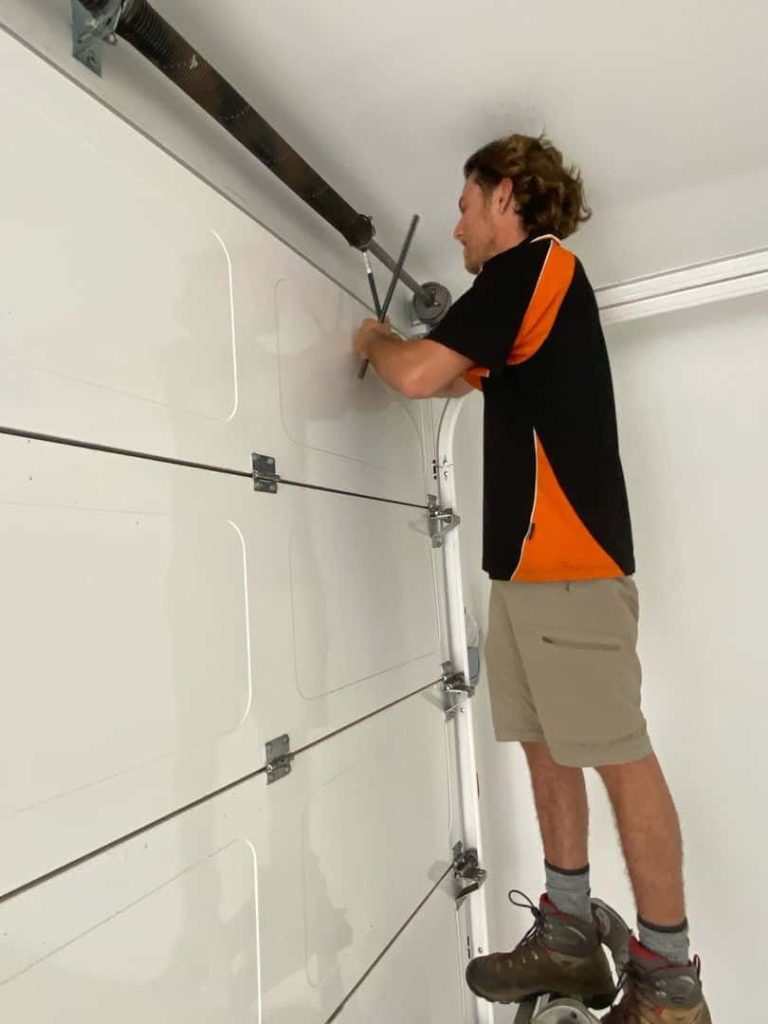
Most residential garage doors rely on either torsion springs or extension springs to manage balance. Torsion springs are mounted on a metal shaft above the door opening and work by twisting to store energy. As the door opens, the spring slowly releases that energy, providing a steady and controlled lift that helps keep the door stable throughout its movement. These springs are built to withstand thousands of open-and-close cycles, typically ranging from 10,000 to 20,000 cycles over their lifespan.
Extension springs operate differently and are positioned along the sides of the door, running parallel to the tracks. Instead of twisting, they stretch and contract as the door moves, much like a heavy-duty rubber band. Because they rely on tension to support the door’s weight, they must remain under constant load when the door is closed. This design makes them more reactive if a failure occurs, which is why safety cables are used to contain the spring and limit sudden movement.
The choice between torsion and extension springs depends on the door’s design and operating needs. Torsion springs are often associated with longer service life, typically lasting between 8 and 15 years, while extension springs usually last between 7 and 12 years. In both cases, the springs are manufactured with specific wire sizes and lengths to match the door’s height and weight, ensuring proper balance and reliable operation.
How a Garage Door Spring Supports the Weight of the Door
The primary function of a garage door spring is to offset the full weight of the door and distribute that load evenly throughout the system. During installation, the springs are wound or stretched to match the door’s weight, allowing a door that may weigh several hundred pounds to feel surprisingly light when lifted. This balance makes manual operation manageable and reduces strain on the opener when the door is motorized.
Spring support is constant throughout the door’s movement. When the door is fully open, the springs maintain enough tension to keep it suspended and prevent it from dropping unexpectedly. As the door closes, the springs gradually regain tension, slowing the descent and helping the door settle gently instead of slamming shut. This controlled motion protects other components and contributes to consistent, reliable operation.
Heavier doors made from solid wood, added insulation, decorative materials, or commercial garage doors require springs designed to handle increased weight. If the springs are not properly matched, the door may feel difficult to lift or resist closing smoothly. Selecting springs that are correctly sized and installed ensures balanced movement, reduces unnecessary wear on other parts, and helps the entire garage door system function as intended over time.
What Causes a Garage Door Spring System to Become Imbalanced
One of the most common reasons a garage door becomes unbalanced is a broken spring. Over time, repeated use weakens the steel, and metal fatigue eventually causes the spring to fail. When this happens, it often produces a loud noise and immediately removes the support that helps counterbalance the door. Depending on the system design, the loss of that support may affect one side of the door or disrupt the balance of the entire system.
Imbalance does not always happen all at once. In many cases, it develops gradually as the springs wear down. Rust is a major contributor because it weakens the metal and increases friction along the coils, accelerating wear. Even when rust is not visible, the metal can still fatigue and lose the tension required to support the door properly. As tension fades, the door may begin to feel heavier and move unevenly, which affects overall performance and introduces safety concerns. These underlying issues often set the stage for more noticeable problems in daily operation.
To better understand how different parts influence this process, take a look at “How Do Components Interact With a Garage Door Spring?”
How a Broken Garage Door Spring Affects Door Operation
When a garage door spring breaks, the system is no longer able to function as designed. Springs are responsible for carrying most of the door’s weight, so their failure leaves the door extremely heavy and difficult to move. Without a proper counterbalance, the door cannot operate smoothly and may remain stuck in place, creating immediate functional and safety issues.
The strain caused by a broken spring also affects other parts of the system. Components that are designed to work with a balanced door are suddenly forced to handle loads they were never meant to support. This added stress can lead to damage in connected hardware and mechanical assemblies, turning a single point of failure into a broader system problem. Addressing a broken spring promptly helps limit the risk of further damage and restores proper operation.
The Effects of Wear, Corrosion, and Metal Fatigue on Garage Door Springs
While a broken spring is easy to notice, gradual wear and corrosion can be just as disruptive over time. Environmental conditions play a significant role, especially in humid or coastal areas where moisture in the air speeds up rust formation. As rust develops along the spring coils, friction increases, reducing smooth movement and weakening the steel. This combination shortens the spring’s usable life and makes failure more likely.
Normal operation also contributes to metal fatigue in both residential garage doors and larger door systems. Each time the garage door opens and closes, the springs flex under tension, and after thousands of cycles, small cracks can form within the metal and slowly expand. Most garage door springs are engineered for a limited number of cycles, and as that limit approaches, the risk of imbalance or failure rises sharply. As springs weaken, additional strain is placed on other components such as cables, rollers, and the opener. Managing aging or worn springs is essential to maintaining balance and protecting the entire garage door system from premature wear.
Signs of Garage Door Spring Problems
Noticing garage door spring issues early can help prevent a complete system failure or a door that becomes stuck without warning. The first signs are often subtle and easy to overlook, but they tend to worsen over time as the spring system continues to lose balance. Paying attention to how the door moves and the sounds it makes can reveal underlying problems before they escalate. When a garage door no longer operates smoothly, it is often a sign that the counterbalance system is malfunctioning.
Any movement or noise that feels out of place deserves attention, as ignoring these changes can allow damage to spread to other components. As wear increases, the strain on the system grows, which can lead to more extensive issues tied to garage door spring repair costs over time. Many homeowners choose to have the springs inspected to better understand the source of the problem. The following section focuses on movement-related changes that often indicate spring imbalance or failure.
To explore the mechanics behind this constant load, read “Why Is a Garage Door Spring Under Constant Tension?”
Movement Issues That May Require Garage Door Spring Repair
One of the clearest indicators of a spring issue is a noticeable change in how the garage door moves. Springs play a critical role in supporting the door’s weight, so any loss of tension often shows up through uneven or uncontrolled motion. A properly balanced door should open and close smoothly while remaining steady throughout its range of movement. When this balance is disrupted, the change is usually easy to see.
In systems that use two springs, both must work together to maintain proper balance, a condition that is established during proper garage door installation. If one spring weakens or fails, the door may lift unevenly, with one side moving more slowly or sitting lower than the other. This uneven motion can place added stress on the tracks and panels and may cause further damage if the issue continues.
Common movement-related signs of garage door spring problems include:
- The door appears crooked or slanted as it opens or closes
- The door descends faster than usual or closes with excessive force
- The door does not remain in place when lifted halfway
- Visible gaps appear in the coils of a torsion spring, indicating lost tension
These signs often point to a spring system that is no longer properly balanced and may require closer attention to prevent further issues.
Unusual Noises Linked to Garage Door Spring Repair Cost Concerns
Problems with garage door movement are often accompanied by unusual noises that signal trouble within the spring system. A properly functioning garage door should operate quietly, so any new or unexpected sound deserves attention. One of the most alarming noises is a sudden, loud bang, which typically occurs when a spring snaps under tension and can be forceful enough to sound like something struck the garage. Other warning sounds may develop more gradually, including squeaking, grinding, or groaning, which often indicate aging springs, increased friction, or a lack of lubrication between moving parts. These friction-related noises are a sign that the springs are under added stress, and if they continue unchecked, that strain can accelerate wear, lead to complete spring failure, and place additional pressure on other garage door components, increasing the scope of damage throughout the system.
Understanding what causes issues within a garage door spring system is essential for keeping it operating smoothly and safely. Extension springs and torsion springs each play a specific role in how the door functions, and problems such as wear or rust can gradually lead to larger issues when they go unnoticed. Paying attention to the condition of the spring system and recognizing early warning signs can help prevent disruptions and unnecessary complications. A properly balanced spring system allows the garage door to perform at its best, supporting consistent movement and reducing strain on other components. By knowing what to watch for and responding to changes in performance, you can maintain your garage door system with confidence, and when questions arise, consulting a specialist can provide clarity and peace of mind.
For homeowners looking for dependable support, Affordable Garage Door Repairs of Castleton offers knowledgeable service focused on keeping garage door systems working safely and reliably. With a strong understanding of spring systems and overall door performance, our team helps identify issues early and restore smooth operation before larger problems develop. If you want expert assistance you can trust, contact us today or give us a call and schedule a professional inspection.
Frequently Asked Questions
How do environmental conditions affect the lifespan of a garage door spring?
Environmental factors such as humidity and airborne moisture can shorten the lifespan of a garage door spring by accelerating rust and corrosion. As the steel weakens and friction increases between the coils, the spring wears out faster and completes fewer operating cycles before failure, especially in damp or coastal environments.
What occurs within the door system when a broken garage door spring is present?
When a garage door spring breaks, the system immediately loses its counterbalance, leaving the full weight of the door unsupported. This sudden imbalance makes the door extremely heavy and difficult to move while placing excessive strain on connected components, which increases safety risks and disrupts normal operation.
Why is garage door spring replacement typically handled as a paired system?
Garage door springs are usually installed together and experience the same level of wear over time. When one spring fails, the remaining spring is often near the end of its service life as well, so replacing both helps maintain proper balance and reduces the likelihood of another failure occurring soon after.
What internal changes happen when a garage door spring fails completely?
A complete spring failure releases stored tension instantly, removing the support that controls the door’s movement and shifting the full weight of the door onto components not designed to handle it. This sudden load increases the risk of mechanical damage and creates a dangerous situation where the door may drop without warning, a concern further explained in an industry overview published by Financial Content.
How can a garage door spring imbalance influence door panel alignment?
Spring imbalance causes uneven lifting force across the door, which can pull one side higher or lower than the other. Over time, this uneven movement can cause panels to shift out of alignment, place stress on rollers and tracks, and lead to visible slanting during operation.
Why does the garage door feel heavier when spring tension is reduced?
Reduced spring tension means the springs are no longer offsetting the door’s weight effectively. As a result, more force is required to move the door, making it feel noticeably heavier and signaling that the spring system is no longer providing proper support.
How do torsion and extension garage door springs differ in maintaining balance?
Torsion springs maintain balance by twisting on a shaft above the door to control lifting force, while extension springs stretch and contract along the sides of the tracks. Both systems counterbalance the door’s weight, but they do so using different mechanical methods that affect how tension is stored and released.
Can a weakened garage door spring place additional strain on other components?
A weakened spring shifts extra workload onto other parts of the garage door system, including cables, rollers, and the opener mechanism. This added strain can accelerate wear throughout the system and increase the risk of multiple component failures over time.
How does uneven spring tension affect overall garage door movement?
Uneven spring tension causes the garage door to move inconsistently, often lifting at an angle or binding along the tracks, which leads to rough operation, increased friction, and accelerated wear on rollers, tracks, and door panels. These symptoms are commonly associated with spring failure and are outlined in detail by Tevema.
How does balanced spring tension reduce the likelihood of ongoing garage door spring repair?
Balanced spring tension allows the garage door system to operate smoothly while minimizing stress on moving parts. When the springs properly counteract the door’s weight, components experience less wear, performance remains consistent, and the system is less likely to develop recurring spring-related issues.
How do environmental conditions affect the lifespan of a garage door spring?
Environmental factors such as humidity and airborne moisture can shorten the lifespan of a garage door spring by accelerating rust and corrosion. As the steel weakens and friction increases between the coils, the spring wears out faster and completes fewer operating cycles before failure, especially in damp or coastal environments.
What occurs within the door system when a broken garage door spring is present?
When a garage door spring breaks, the system immediately loses its counterbalance, leaving the full weight of the door unsupported. This sudden imbalance makes the door extremely heavy and difficult to move while placing excessive strain on connected components, which increases safety risks and disrupts normal operation.
Why is garage door spring replacement typically handled as a paired system?
Garage door springs are usually installed together and experience the same level of wear over time. When one spring fails, the remaining spring is often near the end of its service life as well, so replacing both helps maintain proper balance and reduces the likelihood of another failure occurring soon after.
What internal changes happen when a garage door spring fails completely?
A complete spring failure releases stored tension instantly, removing the support that controls the door’s movement and shifting the full weight of the door onto components not designed to handle it. This sudden load increases the risk of mechanical damage and creates a dangerous situation where the door may drop without warning, a concern further explained in an industry overview published by Financial Content.
How can a garage door spring imbalance influence door panel alignment?
Spring imbalance causes uneven lifting force across the door, which can pull one side higher or lower than the other. Over time, this uneven movement can cause panels to shift out of alignment, place stress on rollers and tracks, and lead to visible slanting during operation.
Why does the garage door feel heavier when spring tension is reduced?
Reduced spring tension means the springs are no longer offsetting the door’s weight effectively. As a result, more force is required to move the door, making it feel noticeably heavier and signaling that the spring system is no longer providing proper support.
How do torsion and extension garage door springs differ in maintaining balance?
Torsion springs maintain balance by twisting on a shaft above the door to control lifting force, while extension springs stretch and contract along the sides of the tracks. Both systems counterbalance the door’s weight, but they do so using different mechanical methods that affect how tension is stored and released.
Can a weakened garage door spring place additional strain on other components?
A weakened spring shifts extra workload onto other parts of the garage door system, including cables, rollers, and the opener mechanism. This added strain can accelerate wear throughout the system and increase the risk of multiple component failures over time.
How does uneven spring tension affect overall garage door movement?
Uneven spring tension causes the garage door to move inconsistently, often lifting at an angle or binding along the tracks, which leads to rough operation, increased friction, and accelerated wear on rollers, tracks, and door panels. These symptoms are commonly associated with spring failure and are outlined in detail by Tevema.
How does balanced spring tension reduce the likelihood of ongoing garage door spring repair?
Balanced spring tension allows the garage door system to operate smoothly while minimizing stress on moving parts. When the springs properly counteract the door’s weight, components experience less wear, performance remains consistent, and the system is less likely to develop recurring spring-related issues.