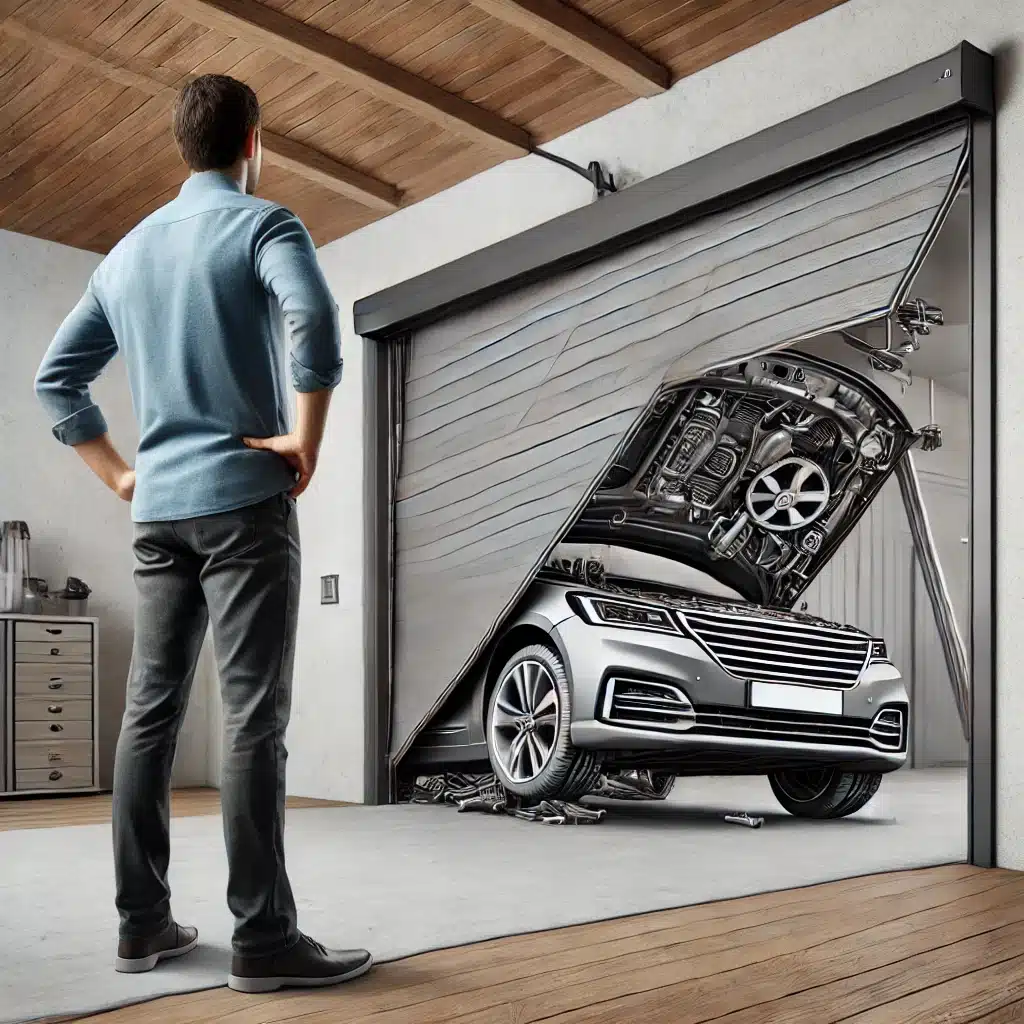
Homeowners rely on residential garage doors, and any malfunction can disrupt daily operation. Over time, it can lose speed and work noisier. The opener may stop working correctly and start making more noise. When this happens, the garage door may indicate a problem. If you do not address these issues, it may eventually stop working completely. You might find yourself needing a significant garage door repair, which can be both inconvenient and costly.
This guide will help you understand what happens when your garage door opener acts up. It will also help you determine when it’s time to invest in a new one. Being aware of the signs of wear and tear can save you from unexpected breakdowns and ensure your garage door operates smoothly for years to come.
Understanding Garage Door Opener Lifespan and Performance
Every garage door opener has a set lifespan. How well it works will change over the years. The motor and other parts endure a lot of stress each time the door opens or closes, especially if you use it often. Even with regular maintenance, the door opener will still wear out over time.
As the opener gets older, it will not work as well or as smoothly as it did before. If you know what causes a garage door opener to wear out, you can spot the signs and know when it might be time to call for garage door services in Castleton, IN. In the following sections, we will discuss how long a garage door opener should last and what factors can cause it to wear out faster.
Find out the common reasons garage door openers fail and how to know when it’s time for a replacement by reading: Why Do Garage Door Openers Fail—and When Should You Replace Yours?
Average Lifespan of a Garage Door Opener
The average garage door opener lasts about 10 to 15 years. This shows the garage door opener is built to last for some time, but it won’t last forever. After using it every day for about a decade, the parts begin to wear down, and it may not work as well.
Your door opener works hard, raising and lowering your garage door thousands of times each year. All this daily use can make certain parts wear out. This means you may need garage door opener replacement parts, or sometimes you may need a complete replacement for your system. No matter how well you take care of it, it will not keep working forever.
There will come a time when fixing an old garage door opener no longer makes sense. Once the door opener is close to the end of its life, buying a new one is usually a better option than dealing with constant repairs. A garage door professional can help you determine whether now is the right time for a new door opener.
See how an aging garage door opener can disrupt daily routines, safety, and convenience at home by reading: The Real Impact of an Aging Garage Door Opener on Your Home’s Daily Routine.
Main Factors Affecting Lifespan in Castleton, Indiana
How long your garage door opener will last depends on a few things in a place like Castleton, Indiana, where the weather can change a lot. The top thing that will make the door opener wear out faster is how often you use it. If you open and close your door many times each day, the opener will not last as long as one that is used only a little.
Regular maintenance is also essential. If you do not have your opener checked and tuned by a professional from time to time, minor issues can turn into problems too big to fix. The state of the garage door, its springs, and its tracks matters too. If your garage door is balanced and runs smoothly, it puts less pressure on the door opener.
Other things that will change how long your door opener works are:
- Frequent Use: Using the garage door every day can cause parts to wear down easily.
- Environmental Impacts: Changes in air temperature and humidity can cause problems for electrical components.
- Lack of Regular Maintenance: If you do not keep up regular service, your opener could stop working sooner.
Learn how to choose the correct replacement when your old system no longer meets your needs by reading: Choosing a New Garage Door Opener When Your Old System Can’t Keep Up Anymore.
How Performance Declines Over Time
As a garage door opener gets older, you may notice it doesn’t work as well. It may seem like the opener’s motor works harder. You might also see that the garage door moves more slowly than before. This is because the gears, belts, or chains wear down over time.
You should not ignore these minor issues, even if they do not seem like a big deal at first. If you do, it can cause other parts to work too hard. This will make everything wear out faster. What starts with a little slowdown could end with the door not moving at all.
You need the garage door opener for smooth operation. If you keep using one that isn’t working correctly, it might break down without warning. This can mean costly repairs later. If you know how to spot when your door opener is going bad, you can help keep your system working well.
To learn how to keep your garage door operating safely and smoothly, explore the International Door Association.
Recognizing the Warning Signs of a Worn-Out Garage Door Opener
How do you know when your garage door opener is about to stop working? There are some clear warning signs you should look for. These problems may start small, but can get worse. This could make using your garage door harder and also less safe. Be sure to notice any changes in how your opener works.
If your garage door opener starts making odd noises or the door moves in strange ways, it’s a sign of trouble. Problems like these can be caused by mechanical components wearing out or by issues with the safety sensors.
Slower Operation and Response Times
One of the first things people often notice with a failing garage door opener is an apparent change in speed. If your garage door starts to open or close more slowly than before, the opener’s motor could be losing power. This slow speed is a common sign of internal wear and tear. You might also notice a wait after pressing the remote or using the wall switch.
This lag between pressing your wall switch or remote and the door moving can indicate that the electrical components are starting to fail. Another thing to watch for is inconsistent movement, such as the door hesitating, jerking, or stopping and starting while opening or closing. These behaviors often show that the garage door opener is struggling to perform its job.
Most of the time, the problem does not appear all at once but worsens gradually, making it easy to miss the early signs. Even so, when you notice a garage door opener that is consistently slow or slow to respond, it is a strong warning sign. The opener could be nearing the end of its life. Having a professional inspect your door opener soon can help prevent a complete breakdown.
To understand why automatic garage door standards are essential for safer homes, visit UL Standards and Engagement.
Frequent Stalling or Stuck Doors
Does your garage door stop or get stuck when you try to open or close it? This is one of the signs of garage door issues, and you should not ignore it. Most of the time, this happens when the motor is getting weak or starting to fail. When that happens, the opener will not have enough power to lift or lower the door’s weight, so the problem keeps recurring.
If your garage door opener stalls, it can also indicate a mechanical problem, such as worn gears or a damaged drive train. Using an opener that keeps stalling can make things worse. It may lead to further damage to the garage door and even the opener. This could mean more costly repairs in the long run. Therefore, timely garage door opener repair and installation are essential to prevent these issues.
The most common reasons a garage door stalls are:
- Motor Failure: The motor lacks sufficient power to move the door.
- Internal Component Wear: Gears or other components inside the opener are severely worn.
A professional can check the garage door, identify the issue, and say whether a repair makes sense or if getting a new garage door is a safer, better option.
Random Garage Door Reversals
If your garage door opens or closes on its own for no apparent reason, it indicates a serious issue. This kind of erratic behavior can cause trouble and pose a security risk. Most of the time, the problem is with the opener’s logic board or the safety sensors.
Sometimes, dirty or misaligned safety sensors can cause the garage door to reverse unexpectedly. If the sensors appear fine, the issue may be electrical, such as a faulty wire, which can cause the door to operate unpredictably. You might also hear unusual noises, signaling that something inside the opener may be broken.
Erratic behavior like this means the opener cannot be trusted. You should avoid attempting repairs yourself. It is best to call a professional who can determine whether a simple sensor reset will solve the problem or if a full replacement is needed due to deeper electrical issues.
Key Causes of Performance Issues in Garage Door Openers
Performance issues with a garage door opener often stem from a few leading causes. Over time, the machine’s parts and electrical components can wear out. Every day, when the garage door goes up and down, the gears, chains, and motor take a lot of strain.
Electric parts, like circuit boards and safety sensors, can also degrade or stop working over time. Knowing about these main problems can help you understand why your garage door opener might be slowing down or working oddly. The following sections will discuss the main reasons for these problems.
Mechanical Wear and Tear
The most common reason your garage door opener stops working well is plain mechanical wear. Each time your garage door opens or closes, things like gears, chains, and belts are under stress. Over the years, these parts start to wear out. This makes the door opener less effective. For example, the torsion springs that help lift the door lose tension over time. The garage door opener then needs to work even harder.
You might notice your garage door has loose hardware. This can make the door shake and cause a lot of noise. The extra movement may wear down other parts faster. This is not good for safety, either. Over time, those physical parts will break down no matter what. That’s just how garage doors and their openers are.
Sooner or later, your opener will reach a point where it no longer works well. When this happens, it’s a good idea to call a garage door service. They can help you determine whether you just need a repair or it’s time for a new garage door opener.
Electrical and Sensor Malfunctions
Electrical issues are often a major reason a garage door opener stops working. Modern openers rely on a combination of electrical components, including the main circuit board, wiring, and safety sensors. If the circuit board fails, you may notice problems such as the remote not working or the door opening and closing on its own.
Safety sensors can also cause issues. Dirty or misaligned lenses can prevent the garage door from closing properly. Sometimes, this can be resolved by cleaning or resetting the sensors. However, if the problem keeps recurring, it could indicate wiring problems or a faulty logic board. Even something as simple as dead remote batteries can make it seem like the opener has a more serious issue.
When electrical components begin to fail, your garage door opener starts acting up. The opener may stop working correctly. A technician can tell if you’re facing a minor issue or if the wiring and circuit board need to be replaced.
Environmental Impacts on Garage Door Opener Reliability
The space in your garage can affect how well your opener works. This is true in places like Castleton, where temperatures can change significantly from summer to winter. Heat and cold can impact the electronic parts and oils in your opener. Humidity and water can build up and cause rust on wiring and parts, leading to electrical problems or failures, especially in older models.
The door’s weight matters too. Heavy residential garage doors, like those made of wood, can absorb water and grow even heavier over time. When this happens, the opener’s motor must work harder every day. This extra work wears out your opener faster, especially when you use it a lot.
Power surges during storms can also harm the opener’s sensitive parts. Sudden power surges can cause a total breakdown. New openers handle this better, but older models are not as strong. All of these things, the weather, the weight of the door, and daily use, slowly make your opener less reliable.
Typical Symptoms Indicating Replacement Is Needed
Sometimes, fixing the garage door opener does not solve the problem. If you keep having trouble with your garage door or the opener lacks the features you need, it might be a good time for a full replacement. Investing in an old garage door that doesn’t work well can lead to more costly repairs and leave you upset.
If you know the signs that indicate when to get a new opener rather than another repair, you can save both your time and money. The following sections outline the essential things to look for. If your garage door opener keeps breaking down or uses outdated technology, these are signs you should get a new opener.
Repeated Failures Despite Professional Repair
Are you constantly calling your garage door service person? If you need repairs frequently, there is a good chance your garage door opener is about to fail completely. Most homeowners require a repair at some point, but if it keeps breaking, something more serious is likely going on.
Frequent use of your garage door causes old parts to wear out one by one. You might have the motor repaired, only to have the control board fail a few months later. These repeated issues can end up costing you more than a new opener.
If you keep spending money on an unreliable opener, it may be time to consider a full replacement. Installing a new opener is often the best choice for homeowners. It eliminates constant worry, reduces service calls, and ensures your garage door operates smoothly every day—giving you peace of mind.
Older Garage Door Opener Lacking Modern Features
If your garage door opener was made before the mid-1990s, it may not have the modern safety features people count on today. An old garage door opener might still work, but it could bring absolute safety and security risks. Upgrading your garage door opener is not only about making your life easier. It is also about keeping your home and your family safe.
The newer openers have many features that the older models do not have. These newer safety features make your garage door much safer, help keep out anyone who shouldn’t be in, and add new ways to use and control it. If your door opener is missing these updates, it is a good time to upgrade.
Some important features the new models have include:
- Photo-Eye Safety Sensors: These stop the door from closing if something or someone is in the way.
- Rolling Code Technology: The access code changes each time you press the remote, reducing the risk of unauthorized access to your garage.
- Smart Technology: Let’s you use your smartphone to open, close, or check the garage door from wherever you are.
- Battery Backup: The garage door opener can still work if the power goes out.
Upgrading to a new garage door opener will give you peace of mind, help protect your family, and improve your daily use.
Visible Shaking or Excessive Vibration
Does your garage door opener shake or move a lot when you open or close the garage door? This is a clear warning sign that you should not ignore. Some slight movement can be normal, but if you see your opener shaking, it may indicate a serious problem with the motor or the hardware that holds it in place.
This kind of excessive noise and vibration happens when the inside parts are worn down or when loose hardware cannot keep the garage door opener steady. The door’s movement puts stress on the entire system, causing it to shake. Over time, this can worsen any damage, and some parts may break or fall off.
If your opener shakes hard, it means the system is under a lot of stress and could stop working soon. You need a professional to look at it right away. The issue could be an easy fix, like tightening some bolts, or it could be motor failure, in which case you may need to replace the opener.
Understanding Safety Risks of Aging Garage Door Openers
An old garage door opener is not just inconvenient—it can also be dangerous. Older openers may lack modern safety features, putting your home and family at risk. As the parts of a garage door opener age, even built-in safety mechanisms, like the automatic reverse function, can stop working properly.
It’s essential for every homeowner to be aware of these safety concerns. The safety of your home depends on having a garage door opener that functions reliably and is up to date. Let’s explore the risks associated with aging door opener systems, including weakened security and the failure of automatic functions.
Reduced Safety Features in Outdated Models
Garage door openers made before 1993 can be very unsafe. Many of these older openers lack safety sensors. These sensors, called photo-eye safety sensors, shine a hidden beam across the garage door. If anything breaks this beam, the door will reverse by itself. This helps keep homeowners and things from being trapped under the garage door.
If you use older openers without safety sensors, there is a significant risk. The old ones often miss other modern safety features, too. Some of them have a fixed code on the remote. Thieves can easily copy this code and use it to get into your home without you knowing.
It’s smart to switch to a new garage door opener. New openers offer additional safety mechanisms and enhanced security features. This gives you peace of mind every time you use your garage door.
How Poor Performance Can Affect Family Security
A garage door opener that does not work correctly can significantly affect your home security. If the opener does not fully close the garage door, or if it opens and shuts on its own, your home can be open to intruders. These risks are some of the real impacts of an aging garage door opener on your home’s daily routine. Homeowners often fail to notice these problems.
Older openers often lack many security features. When a failing opener’s motor gets weak, it might not be able to close or lock the door. This can let someone walk right in. With old garage door openers, there can also be electrical trouble. The door may not close properly, and you might leave your garage open without even noticing.
Key security risks of a failing opener include:
- A door that won’t close properly: This makes it easy for someone to get in without permission.
- Predictable remote codes: Some older models are easy for criminals to hack.
Buying a new opener with the latest security features can help you better protect your home and keep your family safe.
Issues with Automatic Reverse Functions
The automatic reverse on a garage door opener is one of the most essential safety mechanisms. This feature makes the door stop and go back up if it hits something while closing. On an old door opener, this critical function can stop working correctly.
There are a few reasons why the automatic reverse may fail. The safety sensors could be dirty, misaligned, or have faulty wires. Sometimes the problem is inside the door opener, where the logic board isn’t detecting the blockage.
If the automatic reverse system fails, the garage door may close hard and fast. This is a significant safety risk. It is essential to check this feature on your garage door opener often. If you notice your automatic reverse not working even one time, you should stop using your garage door.
Exploring Different Garage Door Opener Types for Modern Homes
When you need a new garage door opener, you will see that there are a few main types to choose from. Each of these has its own good points. You will find chain drive, belt drive, and screw drive garage door openers. They are not the same when it comes to how much sound they make and how much care they need. Choosing the right one can make your day better. You might get a quieter, smoother operation from your garage door.
Garage door openers today have more features. They can make life easier and make your home feel safer. If your old opener is not working well, it’s a good idea to learn what’s different about the new ones. Knowing the options will help you get the best new garage door opener for you. These are the main types of garage door openers that homeowners use, and each has things that make it good.
How Advanced Opener Types Can Improve Daily Routine
Upgrading to an advanced garage door opener gives you more than just smoother operation. It can change the way you move through your day. Many of the new door openers have built-in smart technology. With this, you can use your smartphone to check and control your garage door from anywhere. You do not have to worry about leaving the door open again.
Besides smartphone control, these garage door openers offer greater ease and enhanced safety for your home. You get real-time alerts on your phone each time the door opens or closes. You can also let visitors in by giving them temporary access or set the door to close at a time you choose every night. This kind of control gives you and your family real peace of mind.
Other features that make daily life easier include:
- Battery Backup: You will still be able to open your garage door during a power outage.
- Motion-Activated Lighting: The lights turn on by themselves when you walk into the garage.
These helpful features show why getting a new opener with smart technology is a good choice for any home today.
Highly-Trained Garage Door Opener Technician
It is essential to know how garage door openers work for the safety and efficiency of your home. As a garage door system ages, its performance declines. This can lead to safety issues and make your daily life more difficult. If you see warning signs, like your garage door opener running slowly or stopping often, it’s time to consider fixing it or getting a new one. Knowing the different types of garage door openers helps you get better features and greater security.
Affordable Garage Door Repairs of Castleton delivers expert repairs and professional installations for every part of your garage door system, from worn springs and misaligned tracks to openers and full door replacements. We focus on safety, efficiency, and high-quality workmanship to keep your door operating flawlessly.
Contact us today or give us a call to schedule service and protect your property with a reliable garage door.
Frequently Asked Questions
What is the expected lifespan of today’s garage door openers?
Most of today’s garage door openers last about 10 to 15 years. The life of your garage door opener depends on how often you use it each day, how well it was installed, and whether you perform regular maintenance. Getting professional garage door repair and service can help your garage door last longer.
Can a slow opening indicate my garage door opener is wearing out?
Yes, slow opening is one of the top warning signs that your opener’s motor is wearing out. When the internal parts wear out, the motor will have a hard time lifting the door. This makes the door move more slowly and less smoothly. If you ignore this, it can stop working, and you may face costly repairs.
Are there safety concerns with using an old garage door opener?
Yes, an old garage door opener lacks many modern safety features. This includes things like safety sensors and stronger security features. It may not stop or go back if something is in the way. Old garage door openers also make your garage door more vulnerable to intruders trying to get in without you knowing. This can be a significant safety risk for you and your family.
What are the most common signs that my garage door opener is wearing out?
Some of the most common warning signs are unusual noises, such as grinding or rattling. You may see inconsistent operation or hear erratic behavior, such as the door opener suddenly going into reverse. The opener’s motor can also strain or shake too much. If you see these things, it means that something inside might be broken. It is a good idea to have a professional check it.
Why does my garage door opener start to slow down over time?
An opener gets slower over time due to natural wear from daily use. The motor and drive system become less efficient as gears and parts wear out. Electrical components on the circuit board can also break down. This makes the opener lose power and work more slowly.
How do I know if it’s time to replace my garage door opener rather than repair it?
If you keep having problems with your garage door and keep paying for repairs, it might be time for a full replacement. You should also replace your opener if you cannot get replacement parts easily, or if it is more than 10 to 15 years old and does not have modern, effective safety features. Getting a new opener is better for your money than repeatedly calling for garage door service.
What causes a garage door opener to lose performance or reliability?
Performance loss often occurs due to mechanical wear and electrical issues. The motor does not work as well as it did before, and things like belts or chains stretch and wear down slowly. Problems with sensor lenses, electrical issues from a logic board that isn't working properly, or even a weak battery backup can also make the system less reliable.
Are there safety risks with using a garage door opener that’s wearing out?
Yes, an old opener can be a significant safety risk. You may not have safety sensors if the model is outdated. The automatic reverse can stop working properly, increasing the risk of accidents. It also compromises your home security if the door does not close or lock properly.
What is the average lifespan of a garage door opener?
A garage door opener usually lasts about 10 to 15 years. Things like how often you use it, the weight of the garage door, and temperature changes can change how long it lasts. Regular maintenance helps prevent garage door issues. This can also help your door opener live as long as possible.
How to tell if a garage door opener is going bad?
Key warning signs to look for include the opener acting in odd ways, such as opening by itself. You may also hear unusual noises, like grinding or clanking. There could be motor issues, too, if it slows down or makes a straining sound. If you need new replacement parts often, this is also not good. When you see these problems, your opener is likely having trouble and should get checked.