Your garage door is one of the largest moving systems in your home. In Castleton, IN, it also faces changing weather conditions, freezing winters, humid summers, heavy rain, and occasional storms. All of that affects how your garage door operates and makes regular garage door maintenance especially important.
Many homeowners don’t think about garage door maintenance until something breaks. But after years of working in the garage door industry, we’ve seen that most major garage door repair calls could have been prevented with routine inspection and preventive care.
So what does a garage door maintenance checklist include?
A proper garage door maintenance checklist includes inspecting springs, cables, rollers, tracks, hinges, opener settings, safety sensors, weather seals, and overall door balance. Regular garage door maintenance improves safety, extends lifespan, and helps prevent unexpected breakdowns.
Below is a detailed, easy-to-follow garage door maintenance checklist designed specifically for Castleton homeowners.
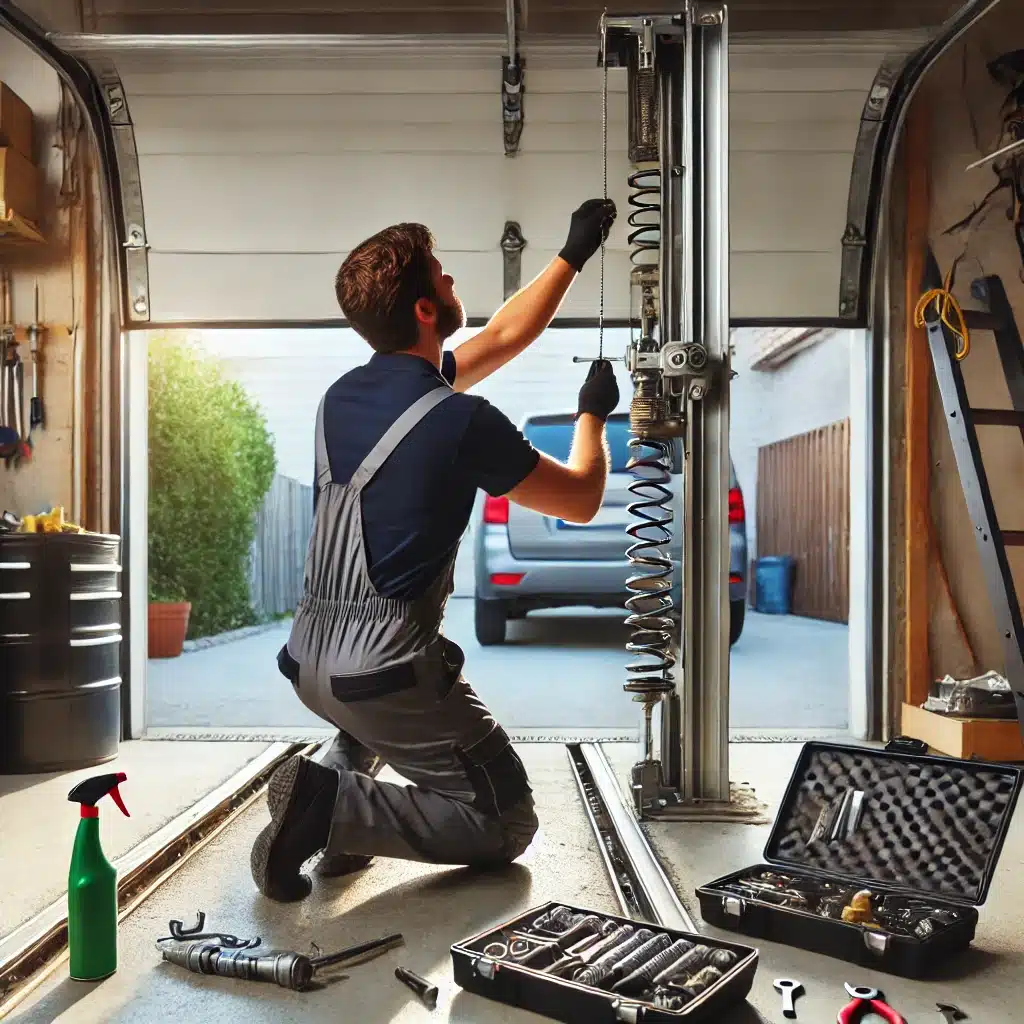
Inspect the Garage Door Springs
Garage door springs do the heavy lifting. Whether your system uses torsion springs or extension springs, these components carry most of the door’s weight.
What to Check:
- Visible gaps in torsion springs
- Rust or corrosion
- The door feels unusually heavy
- Uneven lifting when opening
Cold Indiana winters can make metal brittle. Springs are often the first component to fail when temperatures drop.
Why It Matters:
A broken spring can cause the door to slam shut or stop working entirely. It can also strain the opener.
Prevention Tip:
If you hear a loud snapping sound in the garage, stop using the door and schedule an inspection. Annual professional checks reduce the risk of sudden spring failure.
Average Cost Note: Garage door spring repair typically falls within a moderate to higher average repair range, depending on the spring type and door size.
For a more detailed overview of routine care, we recommend reading our guide, Garage Door Maintenance Checklist Homeowners Can Follow, to better understand how preventive inspections protect your entire system.
Check Lift Cables for Fraying or Wear
Lift cables work alongside springs to raise and lower the door safely.
What to Look For:
- Frayed wires
- Rust buildup
- Loose cable tension
- Uneven cable winding on drums
Why It Matters:
If a cable snaps, the door may drop on one side. This creates a serious safety risk.
Prevention Tip:
If cables appear worn, avoid operating the door until a technician inspects it. In Castleton’s humid months, corrosion can accelerate cable wear.
To better plan your maintenance schedule, we also recommend reading our guide, How Often Should Garage Door Maintenance Be Done?, for helpful timing insights.
Examine Rollers for Smooth Operation
Rollers guide your garage door along the tracks. Over time, they wear down.
Signs of Roller Wear:
- Grinding noises
- Wobbling motion
- Cracked nylon rollers
- Excessive vibration
Steel rollers may corrode faster in humid conditions. Nylon rollers are quieter but can crack with age.
Prevention Tip:
Lubricate rollers once per year using a garage door–approved lubricant. Avoid general-purpose sprays that attract dust.
Worn rollers often lead to noisy garage door operation and added stress on the opener.
For a deeper understanding of long-term system protection, we recommend reading our guide, Why Is Regular Garage Door Maintenance Important?, to see how routine care prevents bigger repairs.
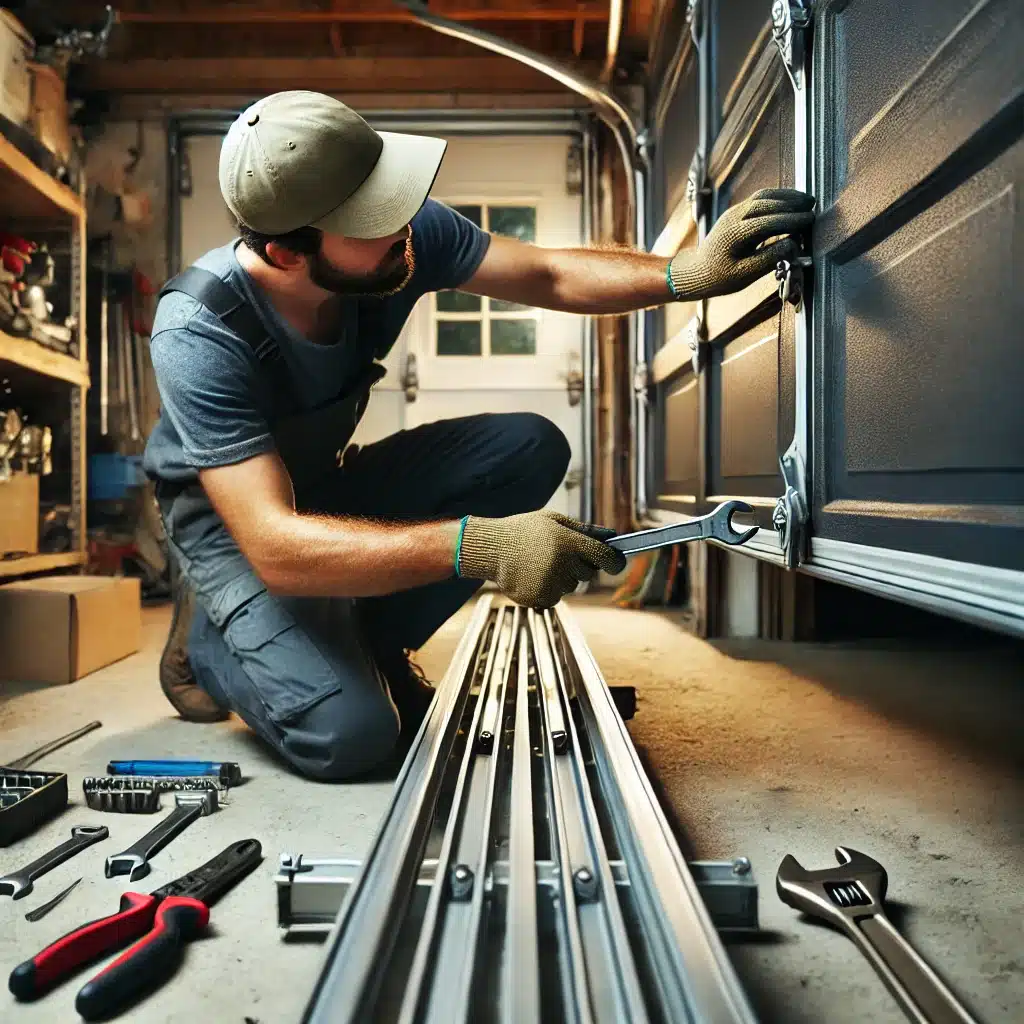
Inspect the Garage Door Tracks
Tracks guide the rollers and keep the door aligned.
What to Check:
- Dents or bends
- Gaps between roller and track
- Loose mounting brackets
- Rust buildup
In Castleton neighborhoods, accidental vehicle bumps are a common cause of bent tracks.
Why It Matters:
Even a small misalignment can cause the door to shake, grind, or come off track.
Prevention Tip:
After storms or accidental impact, visually inspect the tracks. Bent tracks often lead to larger garage door repair issues if ignored.
Tighten Hardware and Hinges
Garage doors open and close thousands of times each year. That constant motion naturally loosens hardware.
Inspect:
- Hinge bolts
- Track brackets
- Roller brackets
- Mounting hardware
Why It Matters:
Loose hardware can cause vibration, uneven wear, and shifting tracks.
Prevention Tip:
A light hardware tightening once per year helps prevent long-term alignment problems. Avoid overtightening, which can strip bolts.
Test the Door Balance
A properly balanced door should stay in place when lifted halfway manually.
How to Check:
Disconnect the opener and lift the door halfway. If it:
- Falls quickly → springs may be weak
- Shoots upward → springs may be too tight
Why It Matters:
An unbalanced door puts extra strain on the garage door opener system.
In Castleton homes, temperature changes can slightly affect spring tension over time.
Important:
We strongly recommend not adjusting springs yourself. Improper adjustments can cause serious injury.
Check the Garage Door Opener System
Your opener is not designed to lift heavy weights. It guides and controls the motion.
Watch For:
- Delayed response
- Jerky movement
- Motor strain
- Inconsistent opening speed
Often, what seems like an opener problem is actually a spring imbalance issue.
Prevention Tip:
Have the opener’s force and travel limits checked annually. Smart garage door systems may also require occasional software updates.
Test Auto-Reverse Safety Sensors
Modern garage doors include photo-eye safety sensors near the floor.
What to Check:
- Sensor alignment
- Clean lenses
- Auto-reverse function
Place an object in the door’s path to confirm it reverses properly.
Why It’s Critical:
These sensors prevent injury to children, pets, and vehicles.
Dust, spider webs, and moisture can affect sensor performance, especially during Indiana’s seasonal changes.
Inspect Weather Seals and Bottom Rubber
Weather stripping protects your garage from moisture, pests, and cold air.
Check For:
- Cracked rubber
- Brittle bottom seals
- Light visible under the door
- Water intrusion after rain
Local Consideration:
Castleton winters bring snow and freezing rain. Damaged seals allow moisture to enter and freeze along the track.
Prevention Tip:
Replace worn weather stripping before winter. This is usually a low to moderate average maintenance expense and helps prevent interior damage.
Check Door Panels for Damage
Garage door panels contribute to the structural strength of the entire system.
Inspect:
- Cracks
- Dents
- Warping
- Rot (for wooden doors)
Why It Matters:
Damaged panels can weaken the door and affect alignment.
Small dents may not seem serious, but over time, they can impact structural integrity.
Listen for Unusual Noises
Your garage door will often signal when something is wrong.
Sounds to Watch For:
- Grinding
- Scraping
- Loud popping
- Excessive squeaking
Noise is often the first warning sign of roller wear, track misalignment, or spring tension issues. A loud popping or snapping sound, in particular, may indicate the need for garage door spring repair, especially if the door suddenly feels heavy or stops opening properly.
If the door sounds different than usual, it’s worth scheduling an inspection before a small issue turns into a larger repair.
Inspect After Severe Weather in Castleton, IN
Indiana weather can be unpredictable.
After heavy wind, snow, or storms:
- Check track alignment
- Look for loose brackets
- Inspect seals
- Listen for new noises
Severe weather can sometimes cause structural damage that goes beyond minor adjustments. If panels are cracked, tracks are significantly bent, or the door becomes misaligned beyond repair, a professional inspection can determine whether garage door repair is sufficient or if partial or full garage door replacement may be the safer long-term solution.
Seasonal maintenance is especially important before winter, when cold temperatures increase metal stress.
Schedule Professional Annual Garage Door Maintenance
Even if everything appears fine, an annual professional garage door maintenance inspection is highly recommended.
A trained technician will evaluate:
- Spring tension
- Cable condition
- Roller wear
- Opener calibration
- Full system balance
- Safety sensor performance
From our experience in the garage door industry, small issues caught early often prevent costly garage door repair and emergency situations later.
Annual preventive maintenance typically falls within a moderate average service range and is far less costly than major garage door repair or replacing key system components.
Stay Ahead of Garage Door Problems with Routine Inspections
A garage door maintenance checklist is not complicated, but it is important.
By regularly inspecting springs, cables, rollers, tracks, hardware, safety sensors, weather seals, and overall balance, Castleton homeowners can protect both their property and their family’s safety.
In our experience, most major garage door problems start small. A little attention once a year can prevent bigger repairs later.
Preventive maintenance isn’t about fixing everything yourself. It’s about knowing what to watch for and acting early when something doesn’t look or sound right.
If you live in Castleton, IN, make garage door maintenance part of your annual home care routine. Your garage door works hard every day. A simple checklist helps ensure it keeps operating safely and smoothly for years to come.
Dependable Garage Door Inspections and Repairs in Castleton, IN
For homeowners who prefer professional support, Affordable Garage Door Repairs of Castleton provides dependable inspections, maintenance, and repairs tailored to local weather conditions and home needs. Our team understands the specific challenges garage doors face in Castleton, IN, and we focus on safe, long-lasting solutions rather than quick fixes. If you would like expert guidance or need your system inspected, contact us today or give us a call to schedule your service and keep your garage door operating at its best.